


By retaining and reworking a 20-year-old structure, groupDCA demonstrates how adaptive reuse can align contemporary living with memory, material, and environmental responsibility
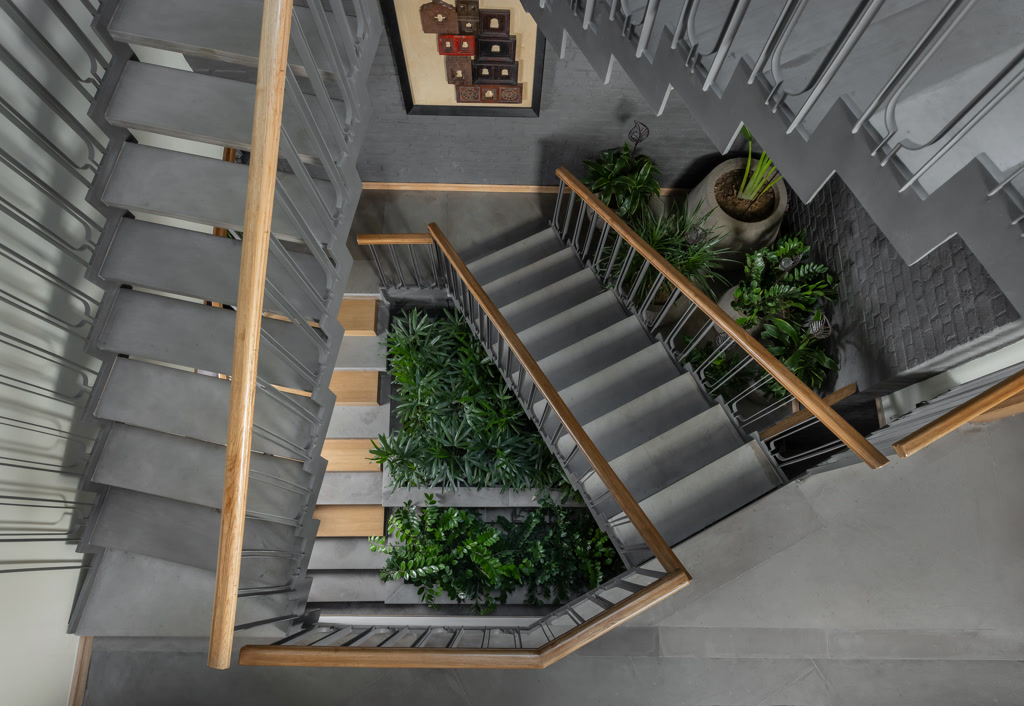
In an architectural climate increasingly driven by demolition and reconstruction, House of Continuity in Gurugram positions itself against the default impulse to erase and rebuild. Designed by groupDCA, the project begins with a deliberate choice — to retain, rework, and extend the life of an existing 20-year-old home rather than replace it. This decision sets the foundation for a design approach rooted in continuity, where architecture is treated not as a blank slate, but as an evolving condition.
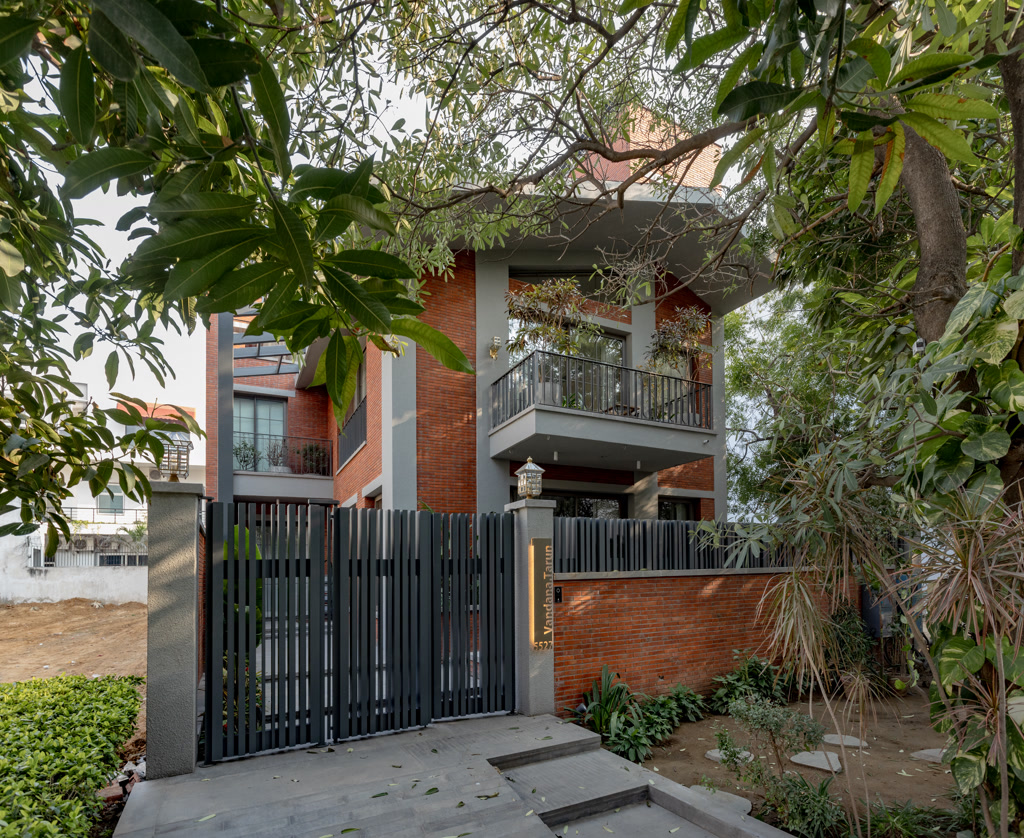
The original structure, while structurally sound, had gradually fallen out of sync with the needs of its occupants. Spaces such as the basement office and a former bar had become redundant, disconnected from daily life. Circulation across levels lacked clarity, and ageing services — including air conditioning and plumbing — had reached the end of their lifecycle. The intervention, therefore, was not cosmetic but strategic: to recalibrate the house spatially, functionally, and environmentally without compromising its underlying framework.
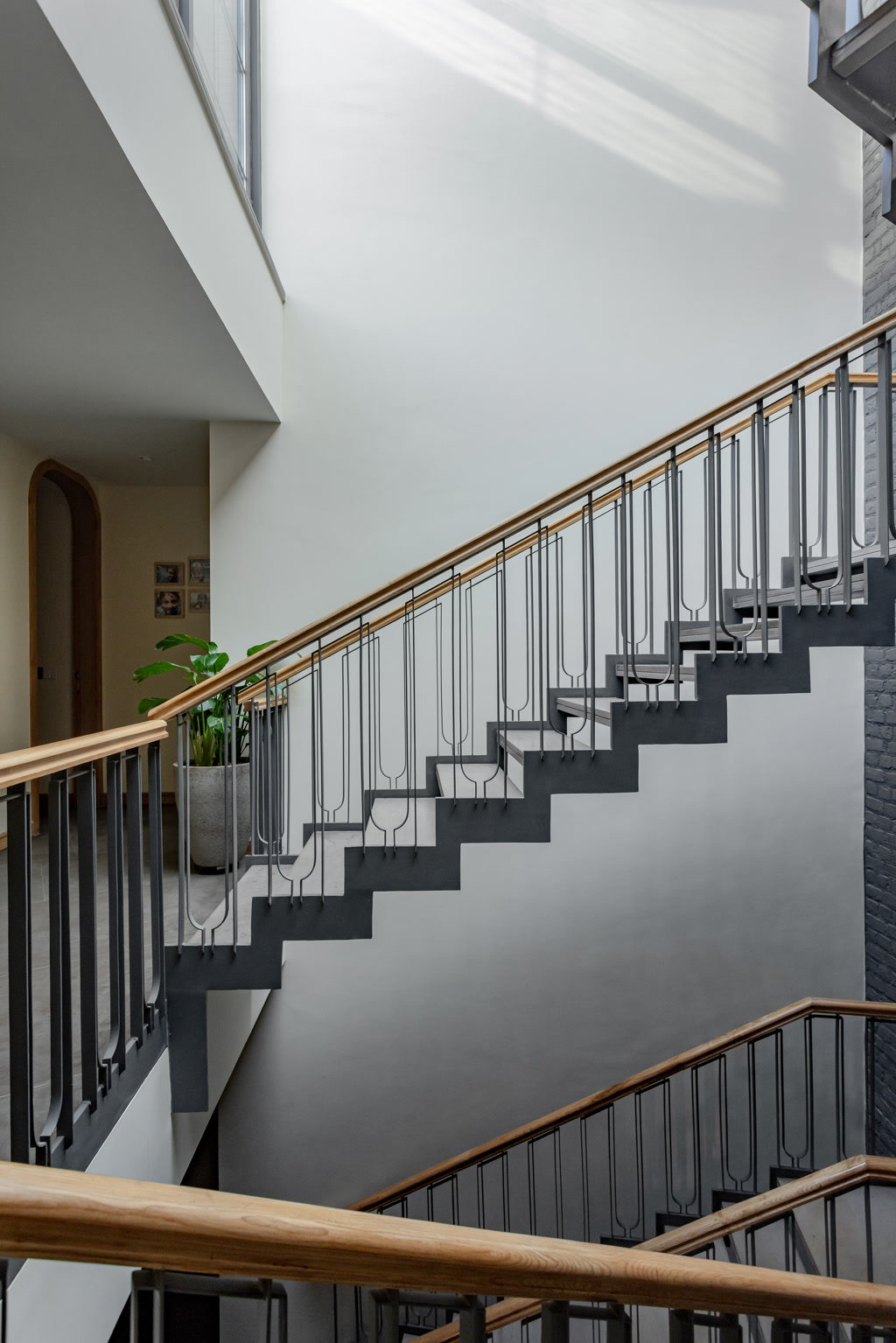
At the centre of this transformation is a reimagined vertical core. A light, fabricated staircase, capped by a skylight, redefines movement through the house — turning circulation into an experiential element. More than a connector, it acts as a conduit for natural light, drawing daylight deep into the interior and addressing the earlier lack of illumination and ventilation. This move unifies the house across levels, establishing both visual and spatial continuity.
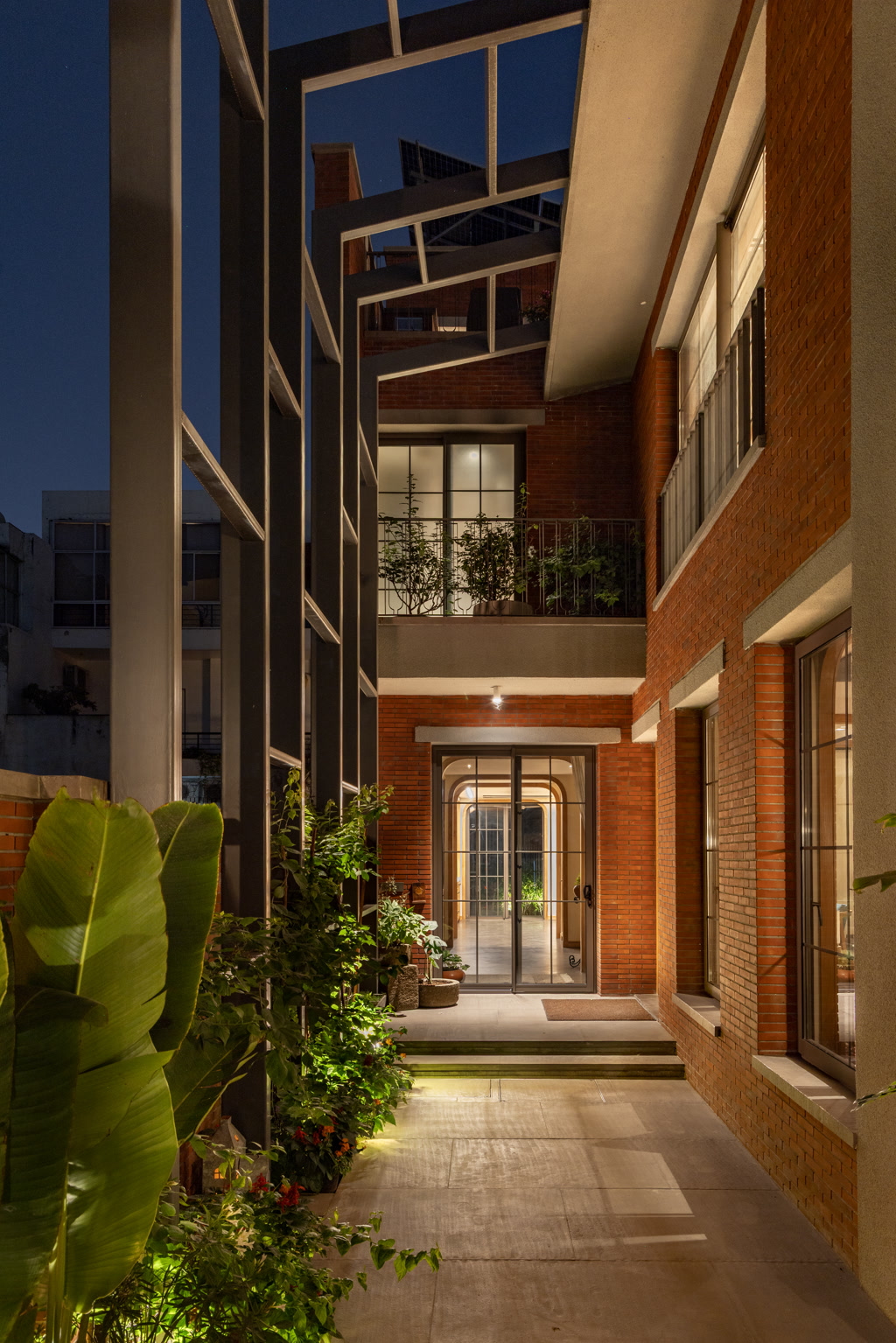
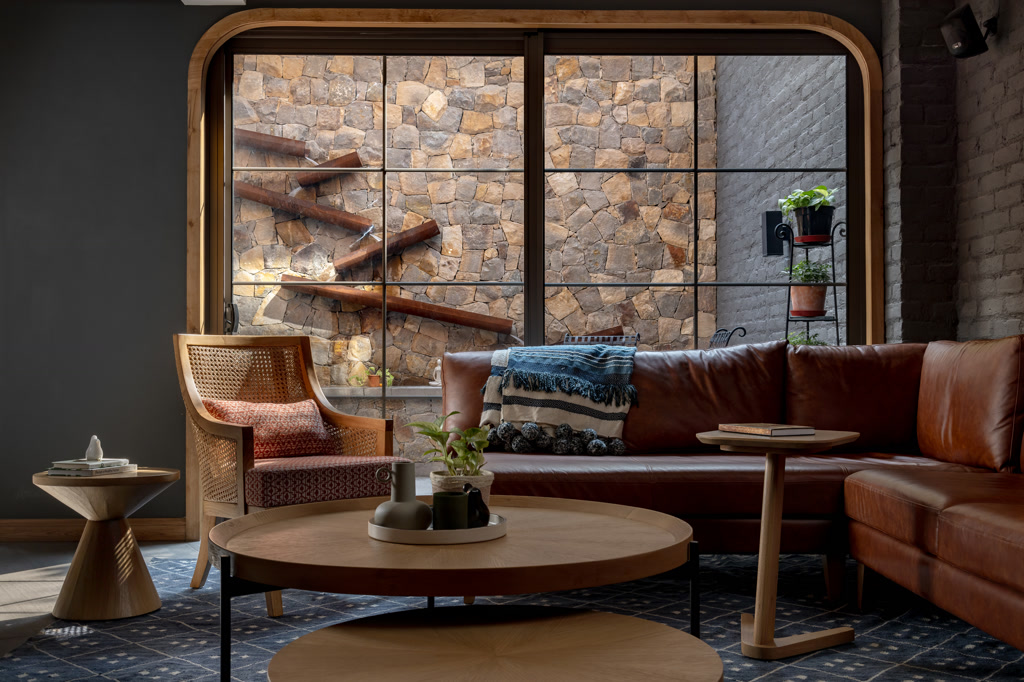
If the staircase reorients the vertical experience, the basement transformation reshapes the house at its most fundamental level. Once dark and underutilised, the basement is redefined through the introduction of a sunken courtyard. This single intervention alters the perception of the space entirely — bringing in natural light, fresh air, and greenery, while dissolving the typical sense of enclosure associated with subterranean levels. The basement is no longer residual; it becomes integral to the life of the home.
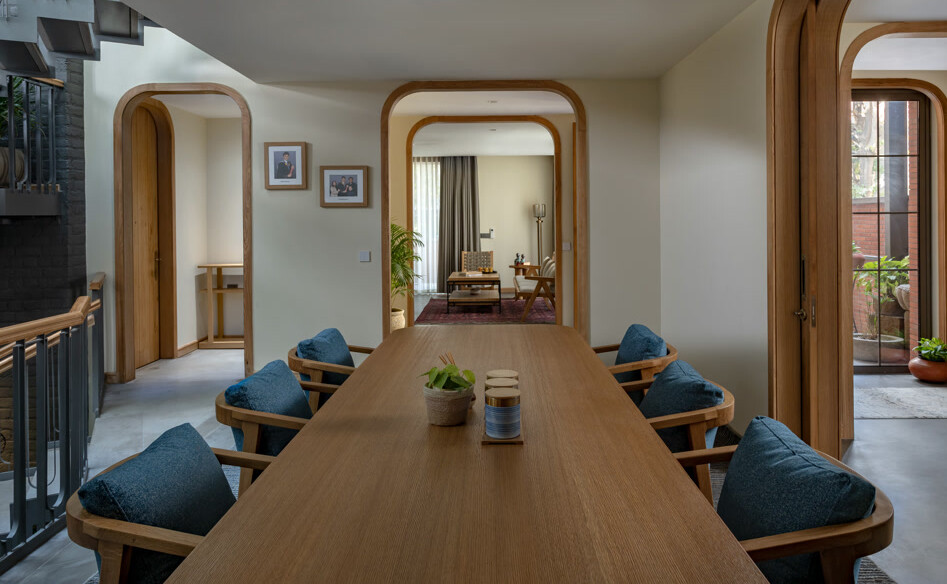
Across the house, spatial planning is guided by clarity and adaptability. The ground floor accommodates living and dining areas designed for interaction, while the upper levels are reorganised to optimise privacy, light, and ventilation. Enlarged openings, staggered levels, and carefully detailed transitions allow for a more fluid movement between spaces, aligning the house with contemporary patterns of living.
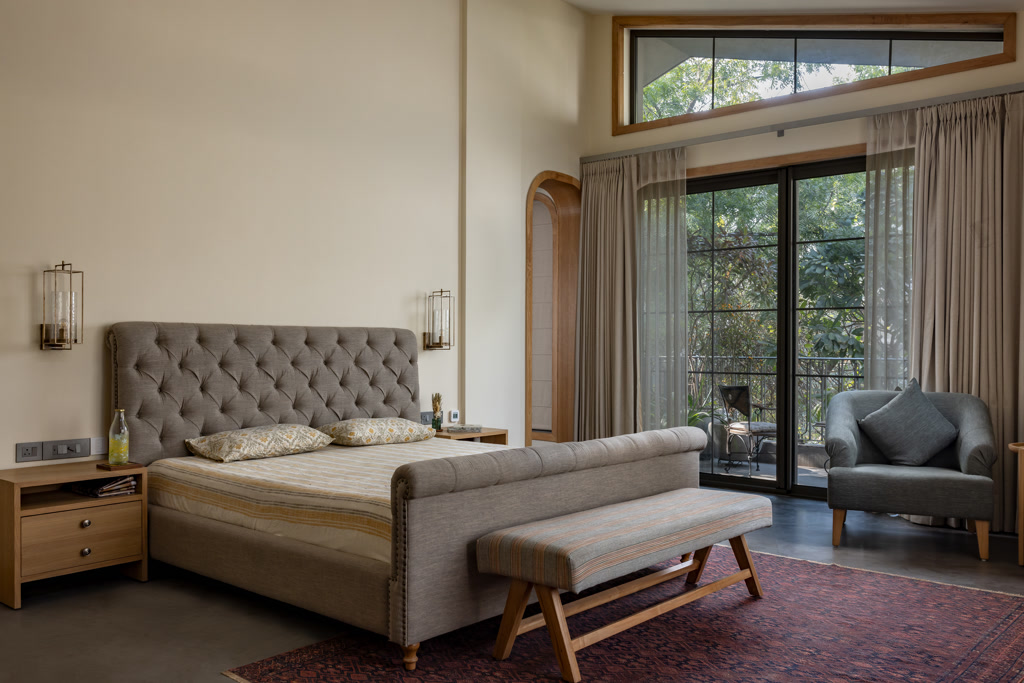
Materially, the project adopts a restrained and tactile approach. Exposed brick walls are left unplastered, introducing texture and a sense of raw continuity with the original structure. The palette remains neutral — soft beiges, warm greys, and natural tones — allowing the spaces to age gracefully over time. Joinery and detailing draw from vernacular references, avoiding excess in favour of quiet precision. Rather than impose a new identity, the design works with what exists, layering contemporary interventions onto an inherited framework.
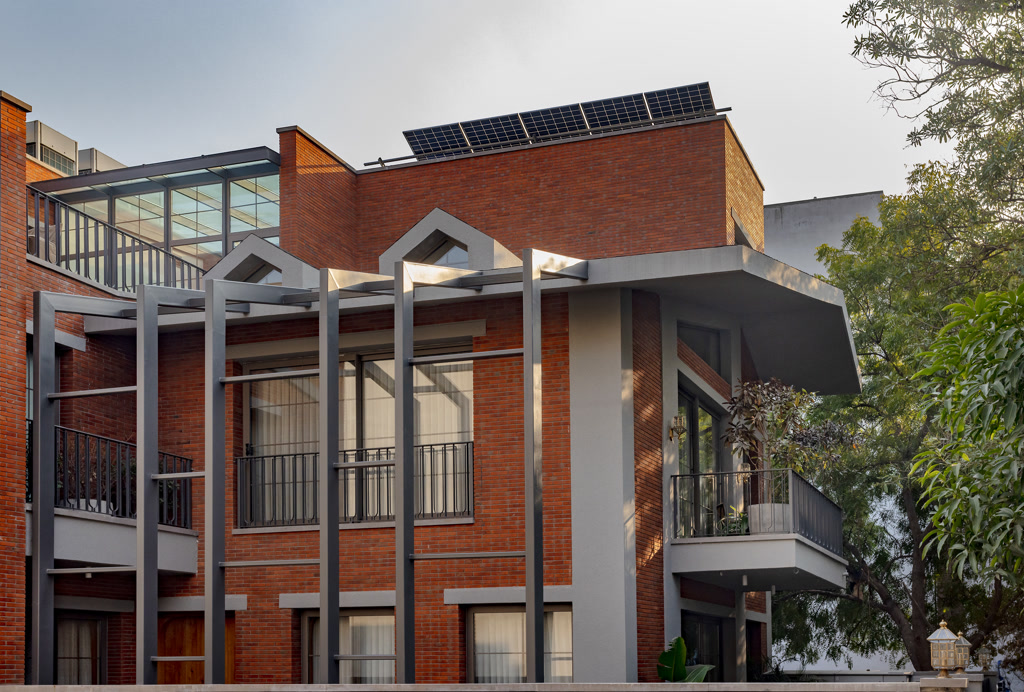
Sustainability in the project is not applied as an afterthought but embedded in its core strategy. The decision to retain the structure itself significantly reduces embodied carbon. This is complemented by targeted upgrades, including solar panels, improved thermal performance, and an efficient HVAC system. This intervention also reduces reliance on artificial lighting and mechanical ventilation, reinforcing a passive environmental response.
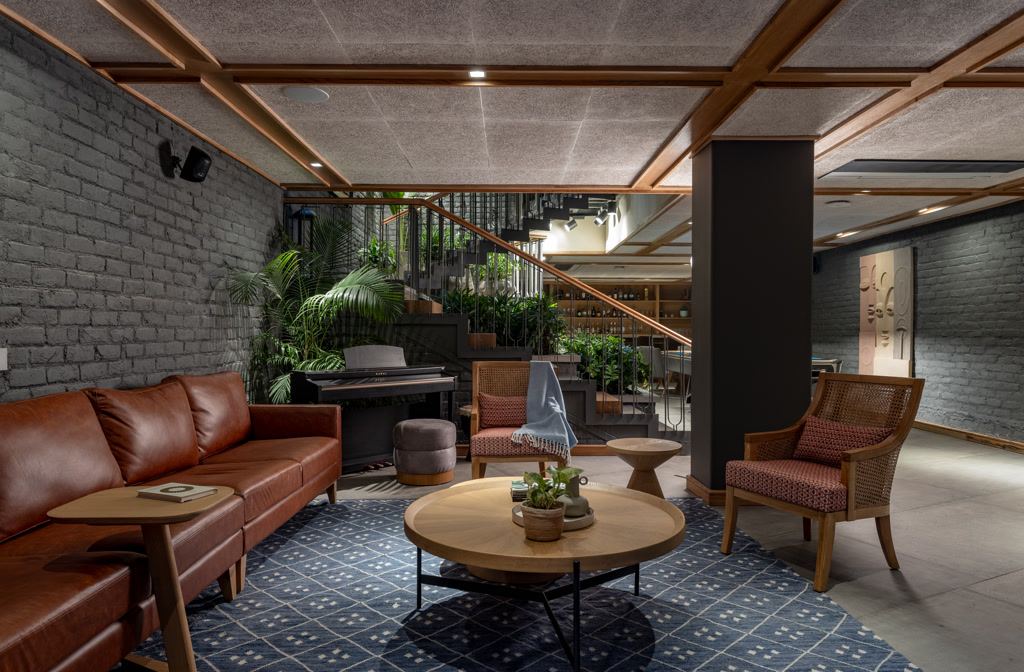
Structural interventions were approached with similar restraint. Existing grey columns were strengthened without disturbing the integrity of the original framework, ensuring that the building could support its renewed programme while maintaining continuity with its past. The pitched roof, a defining element of the original architecture, is retained and subtly upgraded to meet current performance standards.
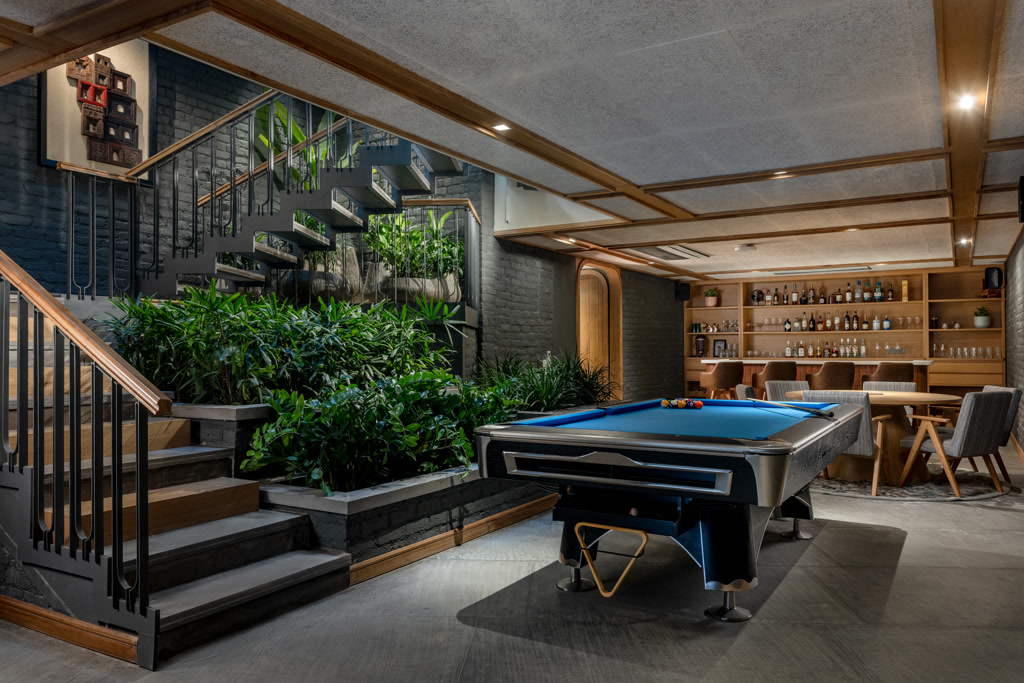
What emerges is not a reinvention, but a recalibration. House of Continuity does not seek to overwrite what existed; it works through it. The project reframes restoration as an active design process — one that demands analysis, restraint, and a willingness to engage with existing conditions rather than discard them.
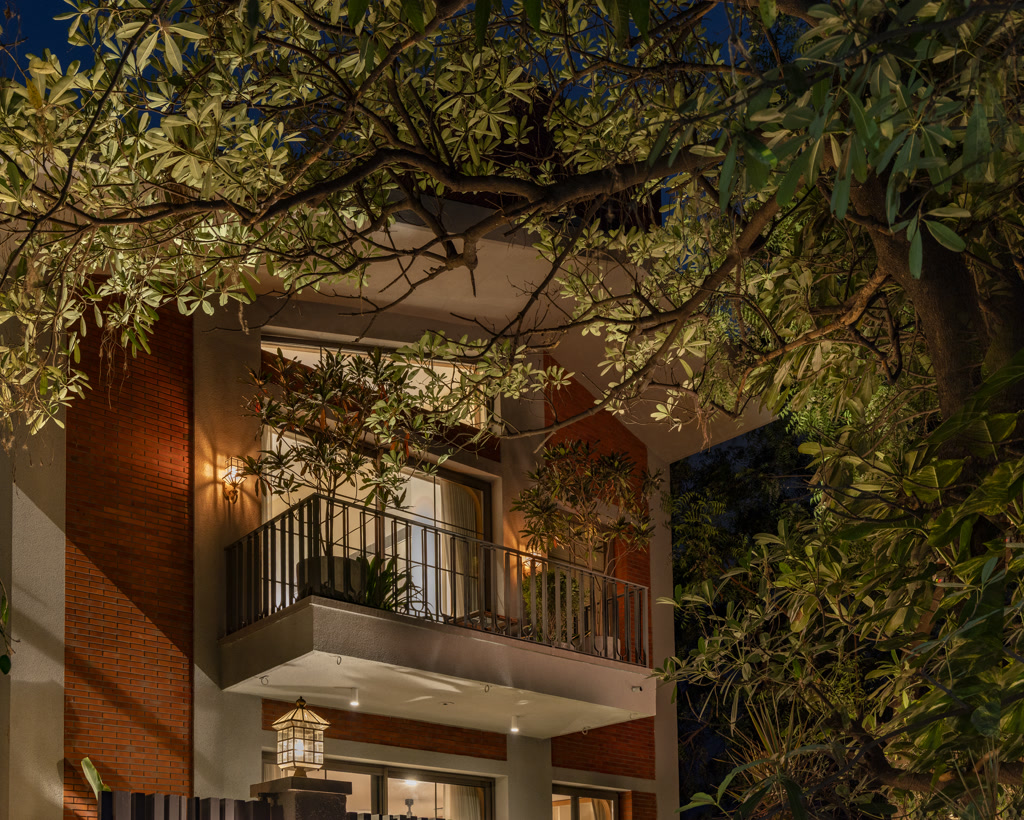
In doing so, it offers a broader position on contemporary residential architecture in India. At a time when speed often dictates design decisions, this project advocates for a slower, more considered approach — one that recognises the value of what is already built. Here, continuity is not just a concept; it becomes a method, a responsibility, and ultimately, a way of thinking about the future of architecture.