


As India’s first nature-themed airport takes shape in Guwahati, TechnoStruct discusses the digital processes behind translating complex design into buildable reality
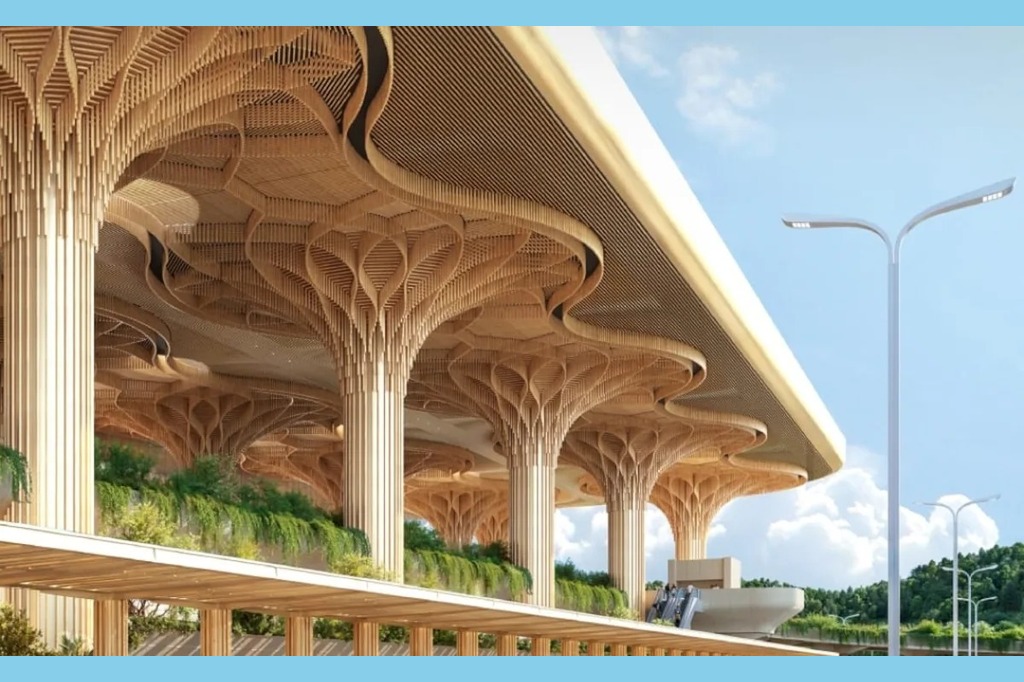
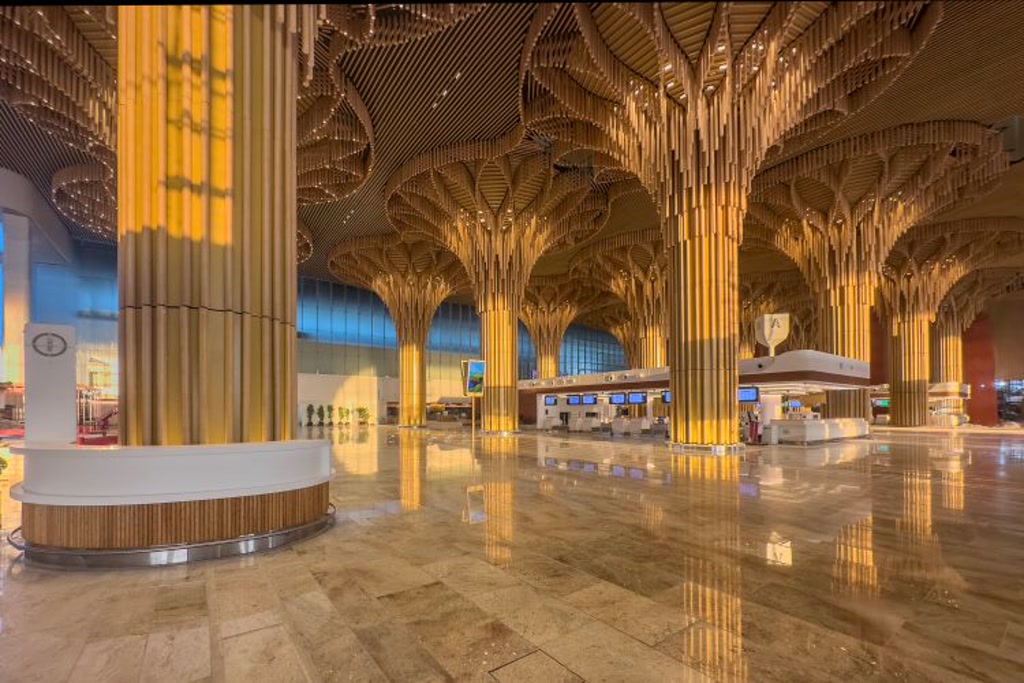
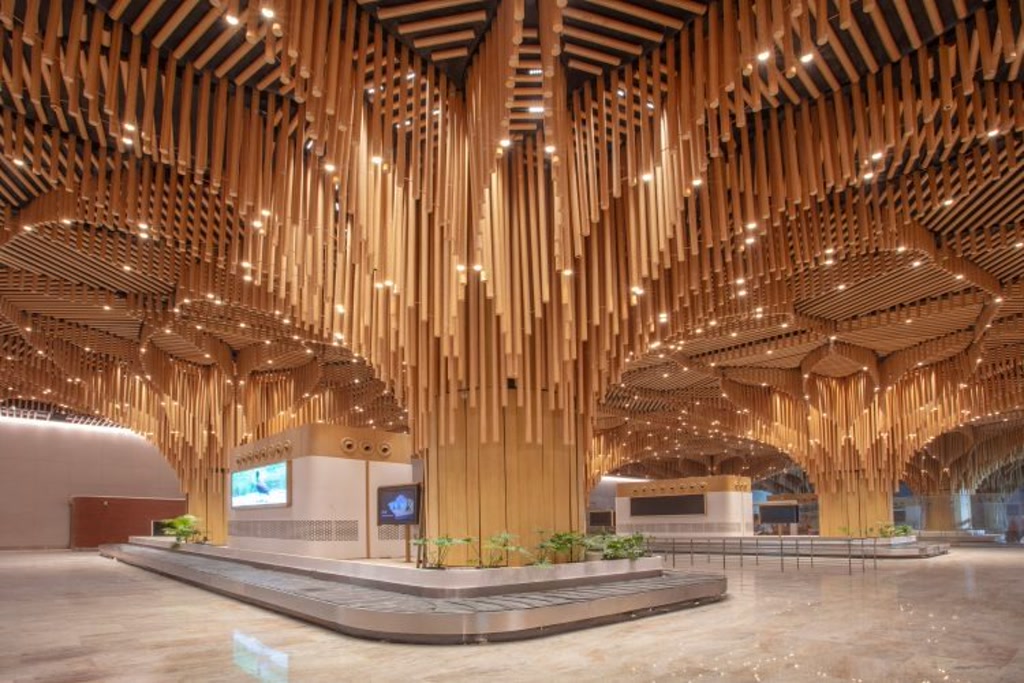
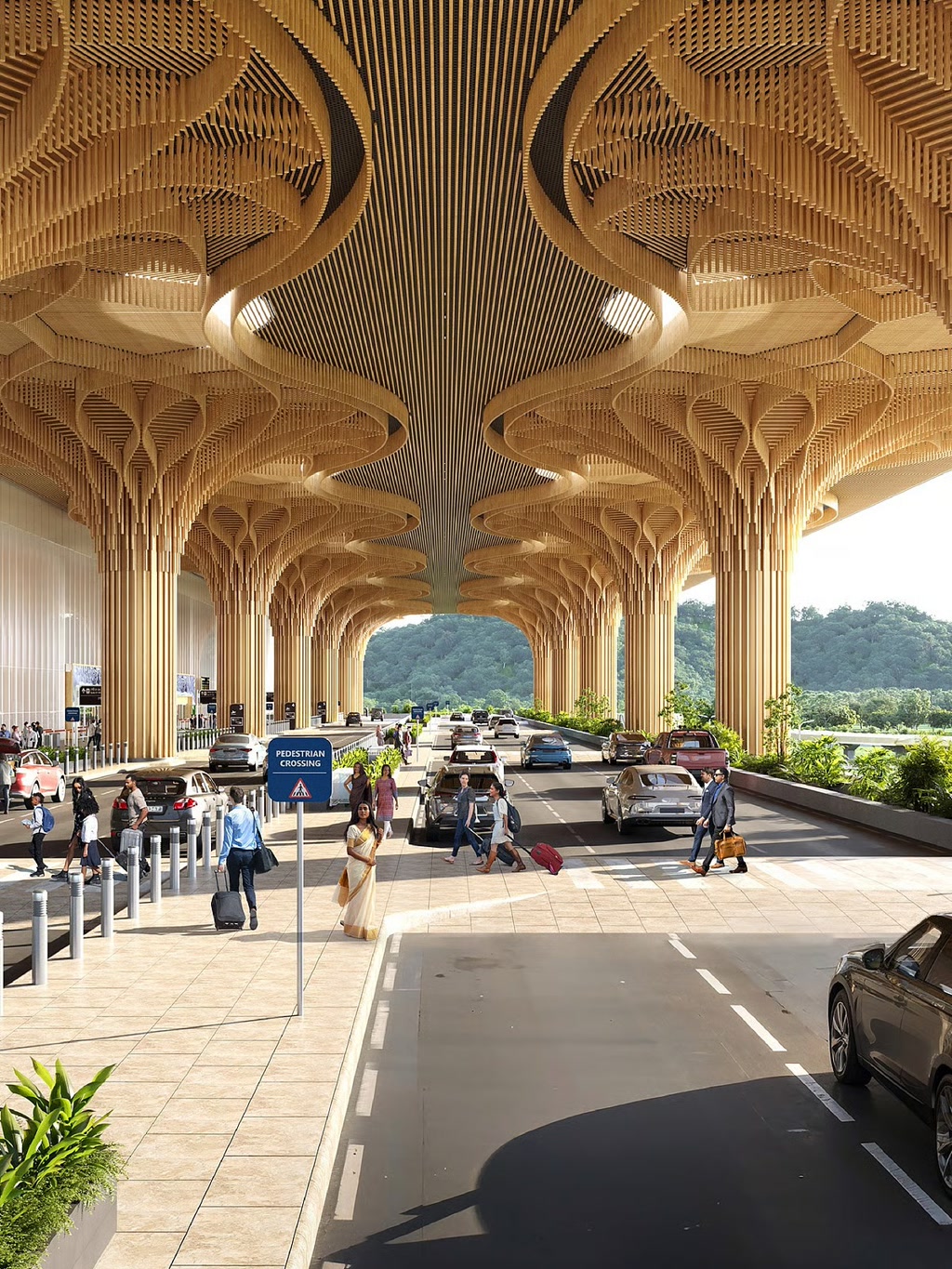
India’s first nature-themed airport terminal, popularly known as The Bamboo Orchid, marks a significant moment in the evolution of aviation infrastructure in the Northeast. Located at the Lokapriya Gopinath Bordoloi International Airport in Guwahati, the terminal draws its architectural inspiration from Assam’s indigenous bamboo and the “kopou phool” (foxtail orchid), translating regional identity into a contemporary built form.
Inaugurated by Narendra Modi, the Rs 5,000-crore project is designed to handle 13.1 million passengers annually and is expected to strengthen regional connectivity while positioning the Northeast as a gateway to Southeast Asia.
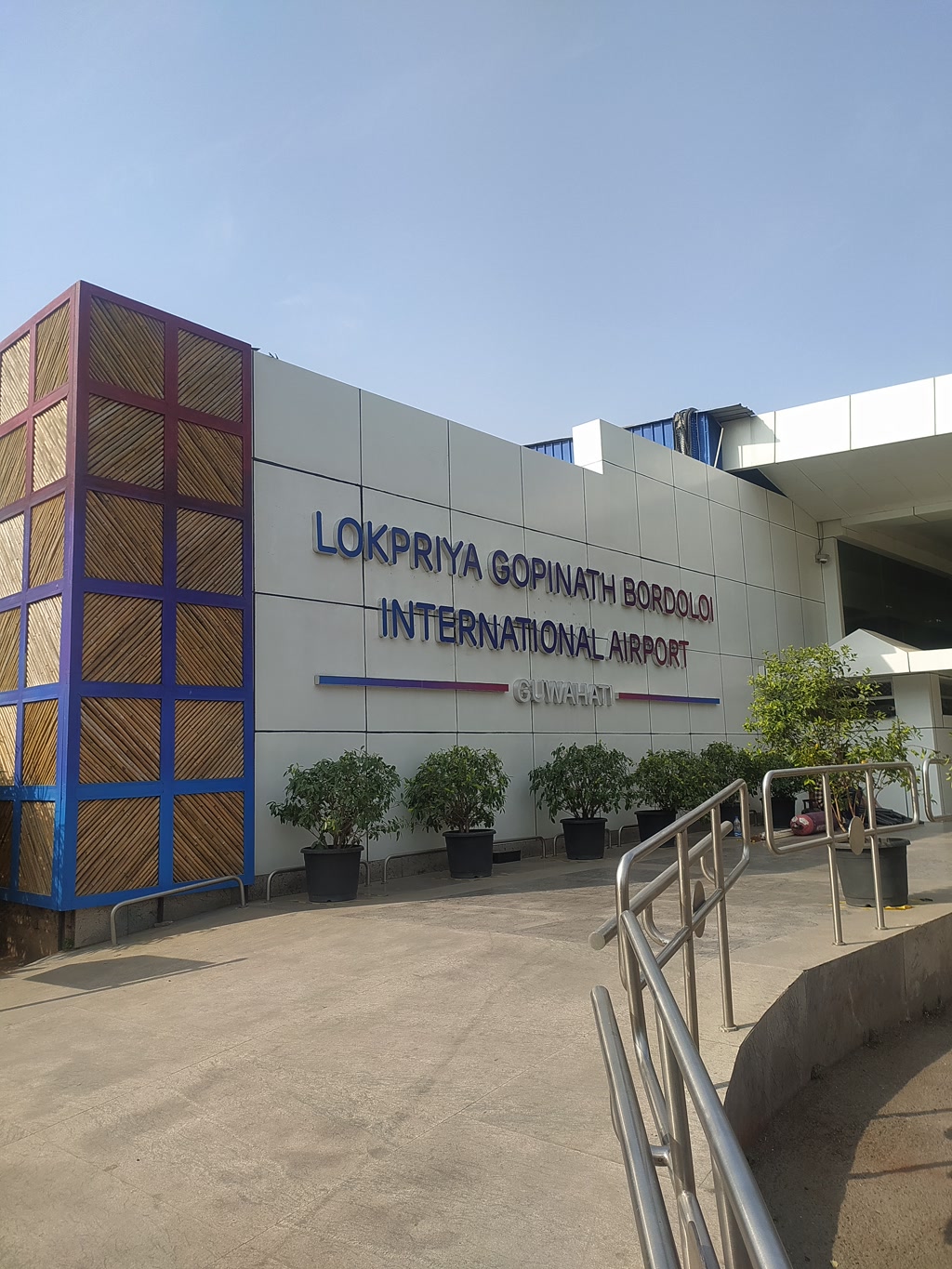
Behind this complex architectural vision lies an equally intricate layer of digital coordination. TechnoStruct, a global design and construction technology firm specialising in BIM and VDC services, played a key role in ensuring that the project’s design intent translated accurately into execution. Engaged across multiple stages of construction — from façade systems to drywall coordination — the firm delivered LOD 400 execution models and LOD 500 as-built documentation, enabling both precision during construction and long-term operational efficiency.
In this conversation, Roy Aniruddha, Founder and Chairman of TechnoStruct, reflects on the role of digital engineering in delivering a project of this scale and complexity.
The Bamboo Orchid terminal is being described as India’s first nature-themed airport. From a BIM and digital engineering standpoint, what were the key challenges in translating such an organic, nature-inspired design into a coordinated, buildable model?
The project involved translating highly complex, nature-inspired geometries into coordinated and buildable digital models. The organic forms, especially in the façade systems, required precise detailing to ensure constructability. One of the key challenges was maintaining design intent while resolving clashes across multiple disciplines. This required advanced BIM workflows, close coordination with contractors, and iterative model validation at various stages of design and construction.

TechnoStruct was involved across multiple stages, including façade and drywall coordination. Could you elaborate on how BIM workflows evolved through the lifecycle of this project — from design development to construction and post-construction?
Our involvement evolved from detailed coordination during the construction phase to delivering highly accurate as-built documentation. During construction, we developed LOD 400 models that supported execution by ensuring all systems were well-coordinated and clash-free. Post-construction, we transitioned to LOD 500 as-built models, integrating asset coding to support facility management and long-term operations.
The project demanded LOD 400 and LOD 500 modelling. How critical were these levels of detail in ensuring accuracy during execution and efficiency in long-term operations?
LOD 400 models were essential in ensuring that all elements were fabrication-ready, reducing ambiguity during construction and minimizing on-site errors. LOD 500 models, on the other hand, provide a comprehensive digital record of the built asset. This level of detail is critical for operations, maintenance, and lifecycle management, allowing stakeholders to make informed decisions based on accurate data.
Given the scale of the project and the number of stakeholders involved, how did TechnoStruct manage coordination between different teams to ensure seamless execution?
Coordination was managed through structured BIM processes, including regular coordination meetings, clash detection workflows, and model-sharing protocols. We worked closely with contractors and consultants to ensure alignment across disciplines. The use of a centralized digital model allowed all stakeholders to access updated information, reducing discrepancies and improving decision-making.
With increasing emphasis on smart infrastructure and digital twins, how do you see BIM evolving in large-scale aviation projects in India?
BIM is evolving from a design and coordination tool into a comprehensive platform for lifecycle management. In aviation projects, where complexity and scale are significant, BIM will increasingly integrate with digital twins, enabling real-time monitoring, predictive maintenance, and data-driven operations. This will enhance efficiency, reduce costs, and improve overall asset performance.
As aviation infrastructure in India grows in scale and ambition, projects like the Guwahati terminal highlight the expanding role of digital engineering in bridging design and execution. In the case of The Bamboo Orchid, the challenge was not only to build, but to translate a layered architectural vision into a coordinated reality — where precision, data, and collaboration become as critical as form itself.