


The true magic of Salone del Mobile and Milan Design Week lies not only in the objects they showcase, but in the stories, they leave behind long after the fair has ended.
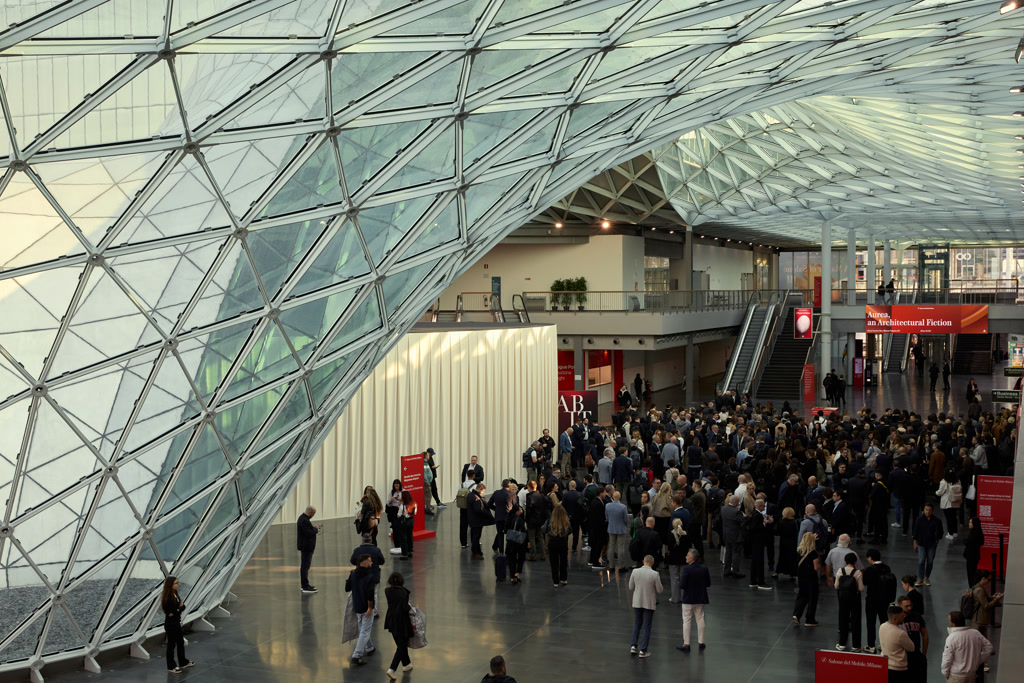
Materials are akin to emotions. Just as our emotions are paramount in defining our individuality, materials help define the exclusivity of a building, a house, or any space in question. Each material, akin to a solo act, is capable of telling a tale on its own. Together, a diverse set of materials becomes an epic, scripting a tale of design where the collective emotion they evoke resonates with the people who inhabit the space. The cities that accommodate these spaces and buildings, in the larger sense, become the narrators and storytellers, capable of telling tales that make us laugh, cry and smile. Perhaps that is why A Matter of Salone, the theme of Salone del Mobile 2026, felt so profoundly relevant – it was a reminder that materials are the “Genesis” of Design.
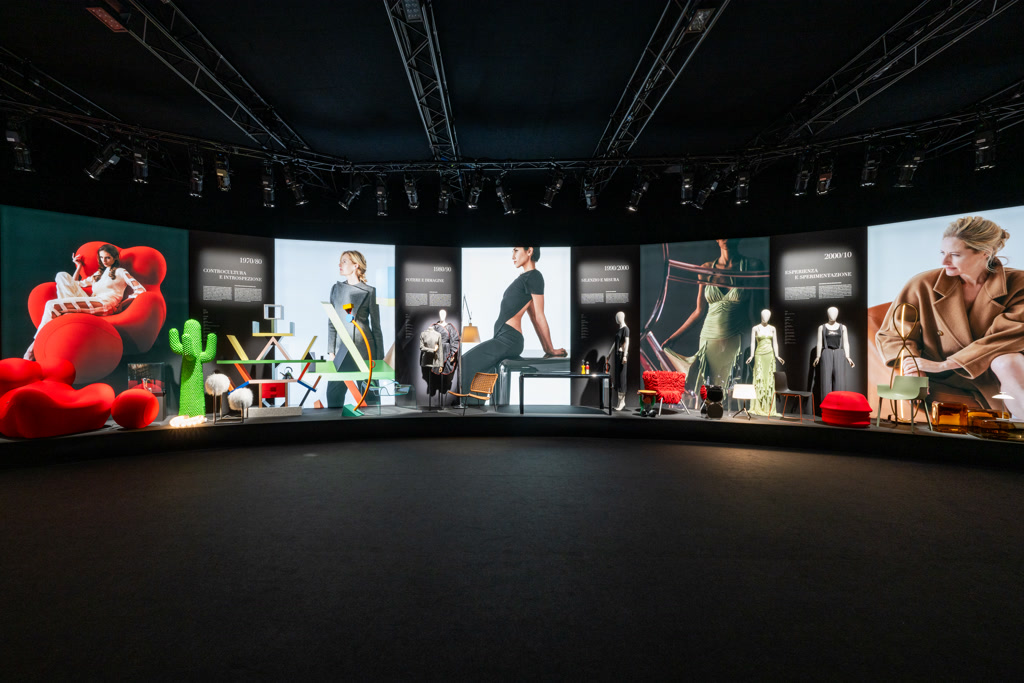
Salone has always been much more than an architecture and design event. When designers, architects, and design enthusiasts from across the world consistently assert that Salone – and the city of Milan itself – defines the future of design each year, it only reinforces that belief. An experience perceived merely as an event cannot create such magic. Its true significance lies in the way it allows the syntax of design to invigorate the mind, body, and soul through the countless creative exchanges and collaborations it brings to fruition.
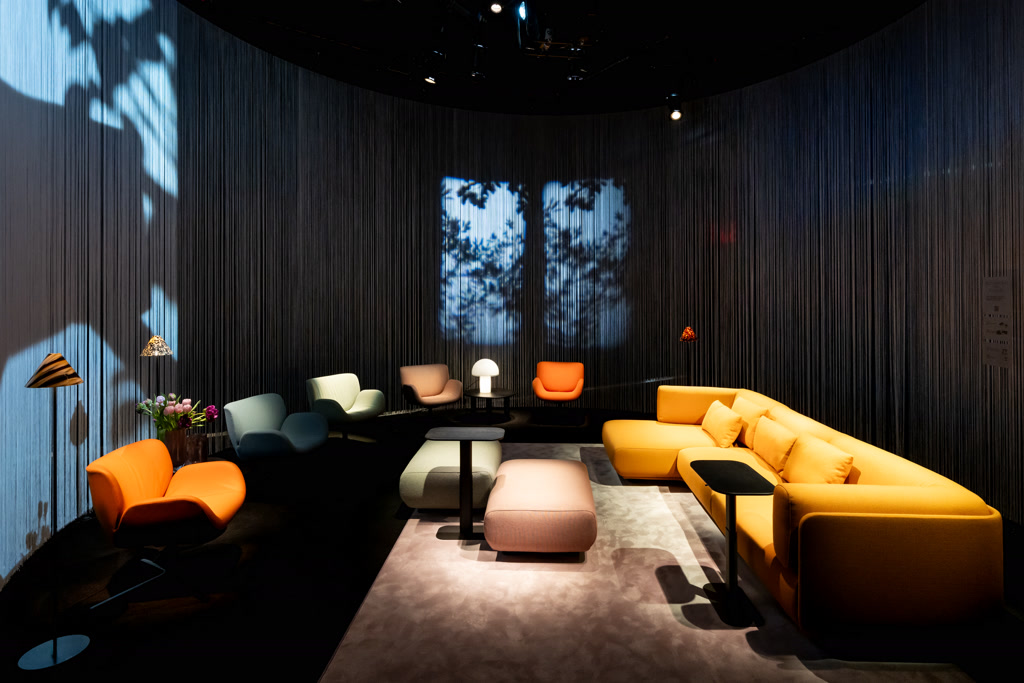
While the myriad stalls across the different pavilions celebrate the democracy of design by offering products at diverse price points, Salone has never underestimated the power of storytelling. Every exhibition, pavilion and, above all, every installation is designed to make you think and create aspiration, giving the idea of good design an emotional value while seamlessly intertwining it with business. In the process, Salone subtly shapes the global conversation around how good design is perceived, and it is this ability to influence design thinking, as much as showcase products, that continues to make Milan the world’s design capital.
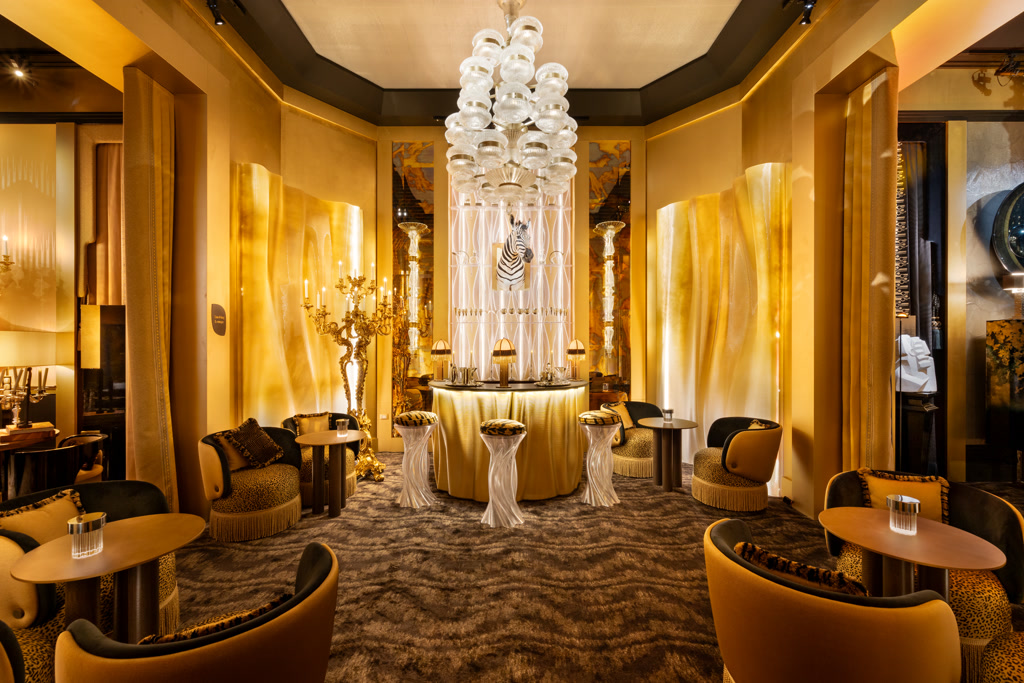
A closer look at Aurea, an Architectural Fiction by Maison Numéro 20, one of the highlights at Rho Fiera, illustrated this perfectly. Part of “A Luxury Way” the installation took the form of an imaginary luxury hotel. As visitors moved through Pavilions 13 to 15, they transitioned seamlessly from standard luxury trade booths into Aurea’s highly theatrical, dream-inspired rooms. Within this carefully crafted narrative, leading brands became integral of the story rather than merely displaying their products. The exhibit shifted the definition of good hospitality design from one based on utility and ergonomics to one driven by atmosphere, drama and psychological immersion.
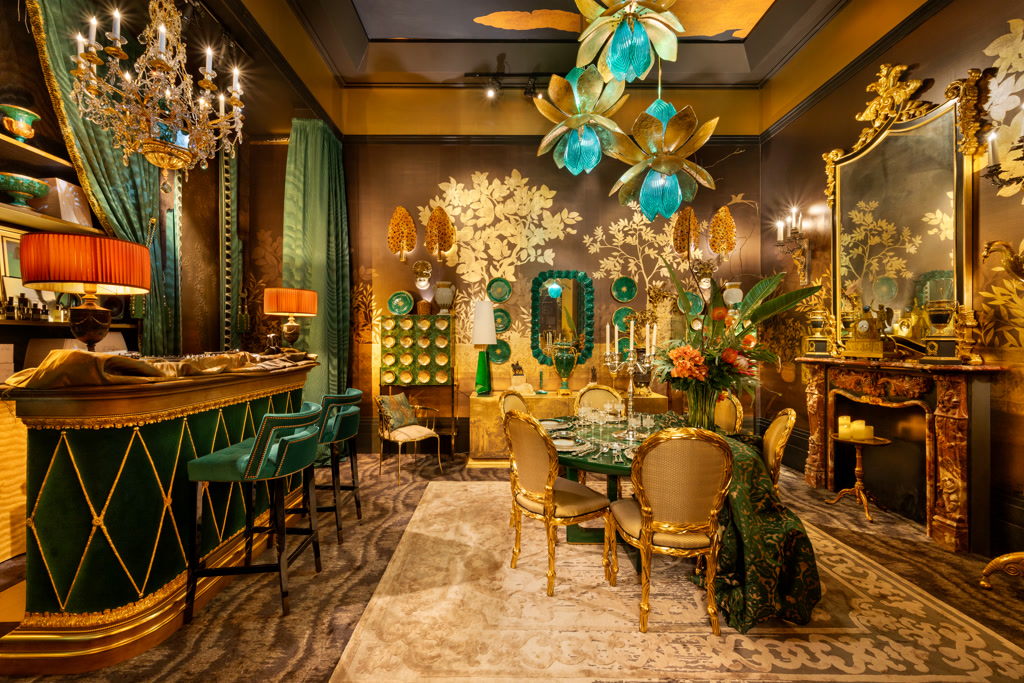
A Luxury Way reflected the growing convergence of residential luxury and contract design where exhibitors showcased complete environments tailored to hotels, luxury residences and large-scale commercial projects rather than individual products alone.
Not that the other pavilions were any less impressive. Anyone who has experienced Salone before will recognise the meticulous attention to detail that goes into creating an atmosphere where exhibitors and buyers can engage, connect and conduct business with ease. This consistent commitment, sustained year after year, has firmly established the event in the minds of visitors as a celebration of the very best in global design.
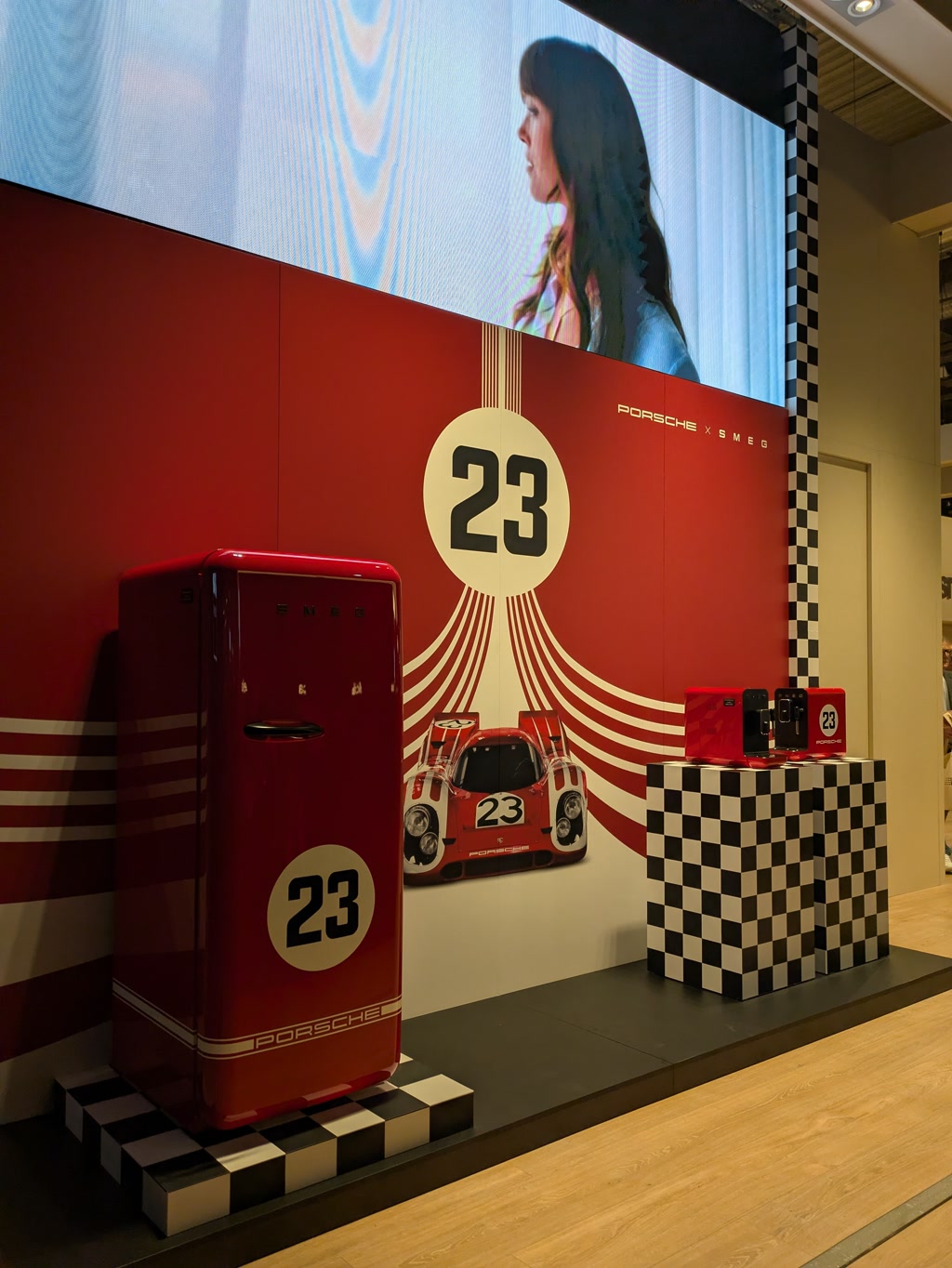
Across a design ecosystem spanning 169,000 m² of net exhibition space, Salone del Mobile 2026 unfolded across 16 exhibition pavilions at Rho Fiera Milano, each dedicated to a distinct sector of the industry. Pavilions 2–4 hosted EuroCucina and FTK – Technology For the Kitchen, where brands such as Scavolini, Valcucine, Veneta Cucine and SMEG showcased innovations in kitchen design, smart technologies and sustainable materials.
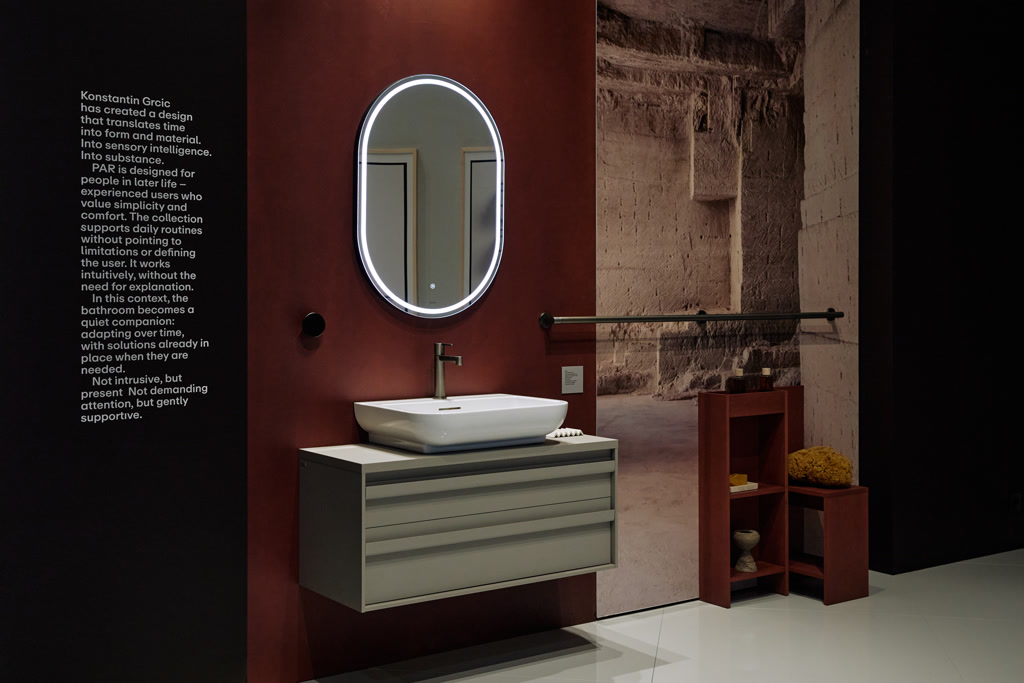
The International Bathroom Exhibition occupied Pavilions 6–10, with manufacturers including Gessi, Fantini, Duravit and Laufen unveiling wellness-focused solutions and material innovations. Pavilions 5 and 7 housed SaloneSatellite which this year shifted the conversation from simply showcasing young talent to exploring how craftsmanship can coexist with emerging technologies.
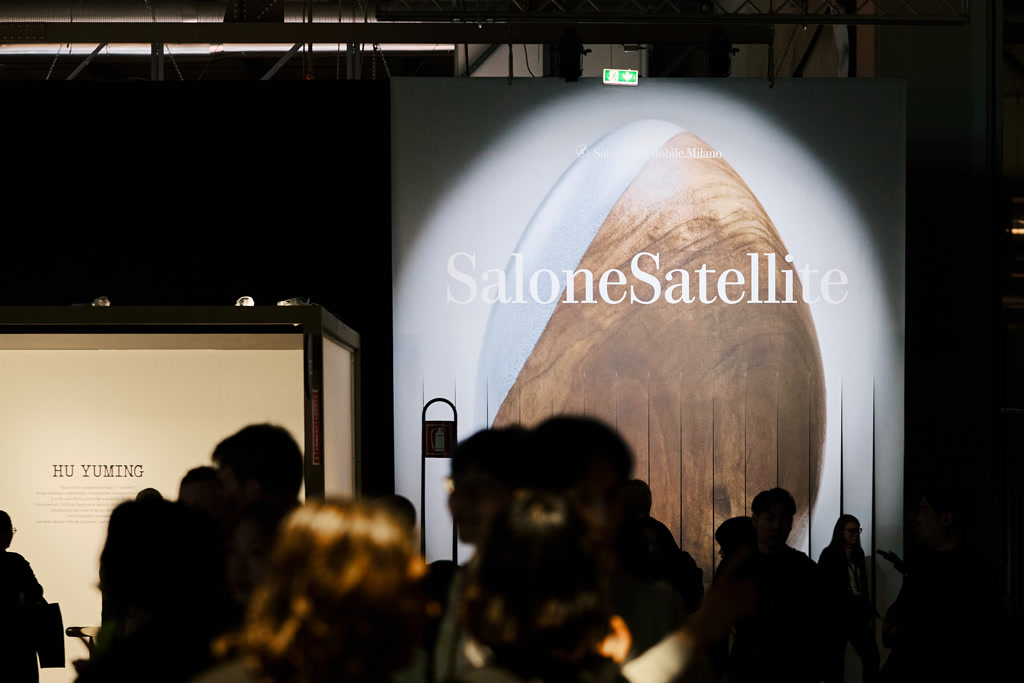
Young designers were encouraged to combine traditional making techniques with digital fabrication, AI-assisted design, robotics and sustainable material research. Considering the rate at which the utility of AI is increasing day by day across all sectors including design, this intervention was very timely indeed.
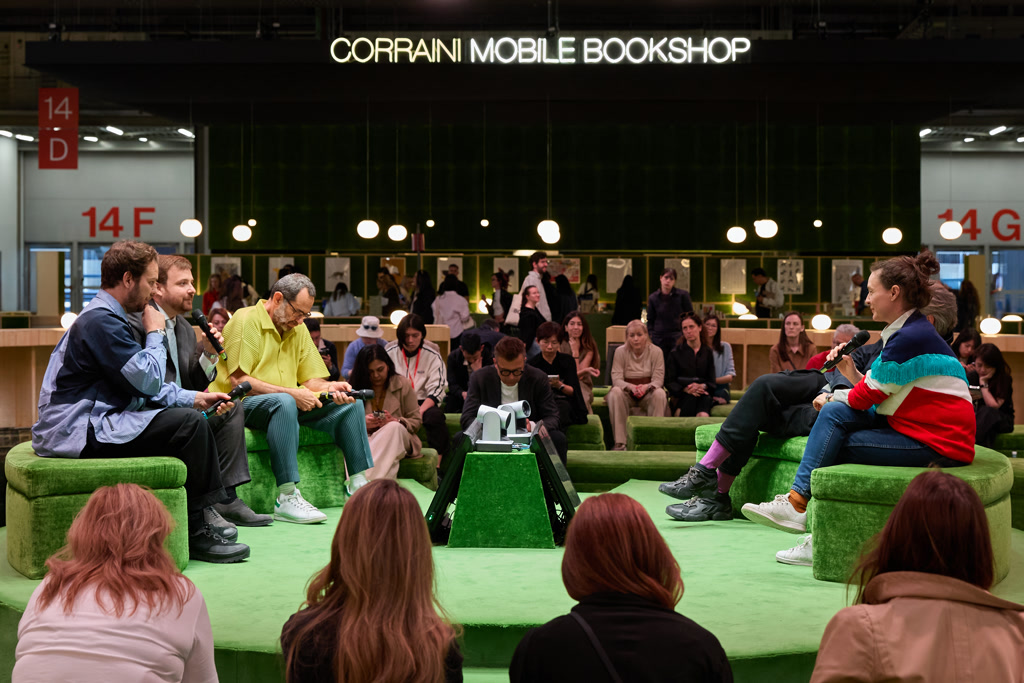
Apart from timely interventions, fostering conversations and diverse perspectives on issues shaping the global design discourse comes naturally to Salone. This was evident in its public programme, Drafting Futures: Conversations about Next Perspectives, curated by Annalisa Rosso. From the future of hospitality and contract design at the inaugural Salone Contract Forum, featuring Rem Koolhaas and David Gianotten, to Tosin Oshinowo’s reflections on designing with cultural sensitivity and finite resources, the programme offered thought-provoking insights into the industry’s evolving priorities.
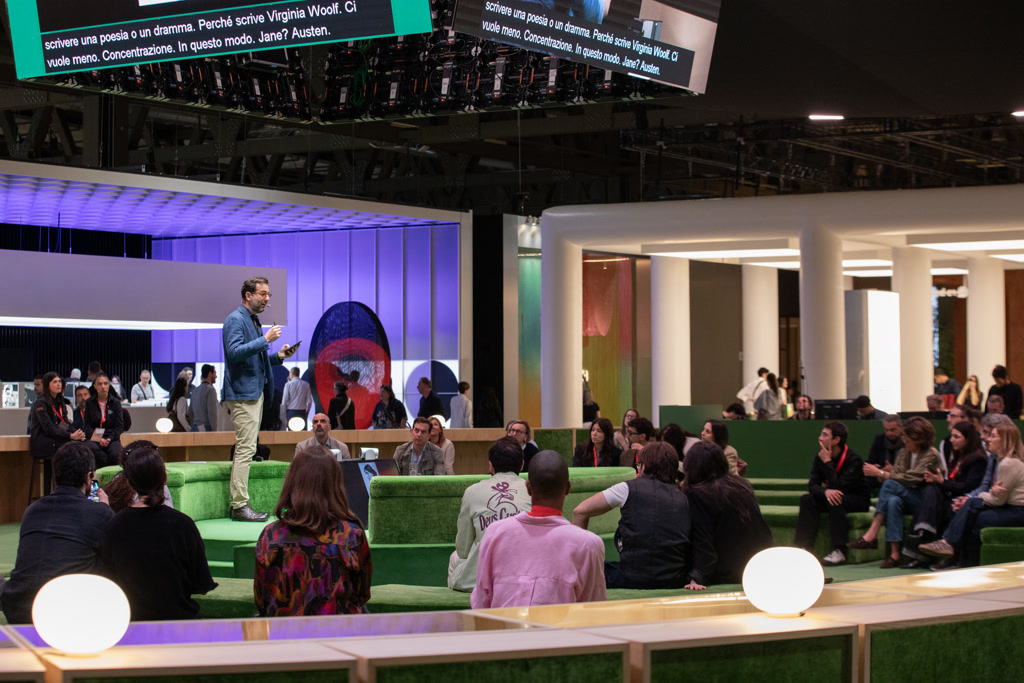
David Barragán of Al Borde reinforced the importance of community-led architecture and local materiality, while discussions such as Arab Design Now: Networks of Making, Networks of Meaning and Two Speeds of Design: Between Scale and Singularity explored how regional identities, craftsmanship and collectible design are redefining contemporary practice. Together, these conversations, among many others, reaffirmed Salone’s ability to influence not only what the industry designs, but also how it thinks.
When the idea is to influence, its long-term success also depends on the ability of the influencer to take into account the multitude of perceptions & thoughts that shape the discourse it influences, this in turn makes way for newer initiatives. Salone Raritas, a new exhibition curated by Annalisa Rosso, was one such initiative. While SaloneSatellite has long served as a launchpad for emerging designers and experimental ideas, Salone Raritas shifted the focus to the objects themselves.
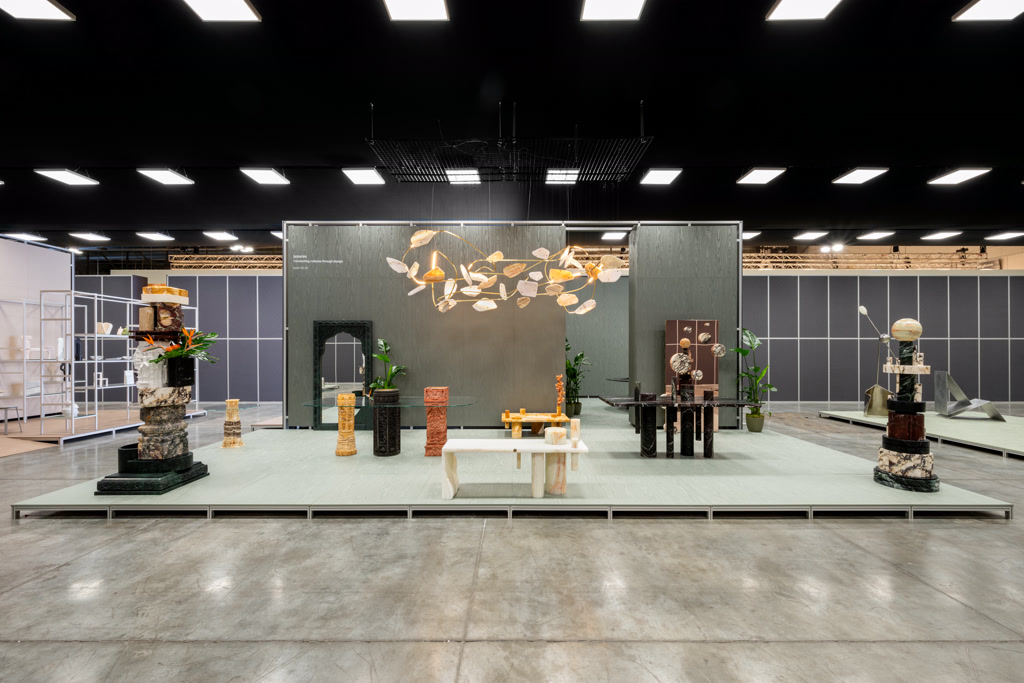
Conceived as a celebration of rarity, it brought together collectible design, exceptional craftsmanship and limited-edition works that highlighted the enduring value of material integrity, artisanal skill and cultural narratives. Rather than asking what the future of design might look like, Salone Raritas invited visitors to reconsider what makes an object truly timeless and worthy of preservation in an age of mass production.
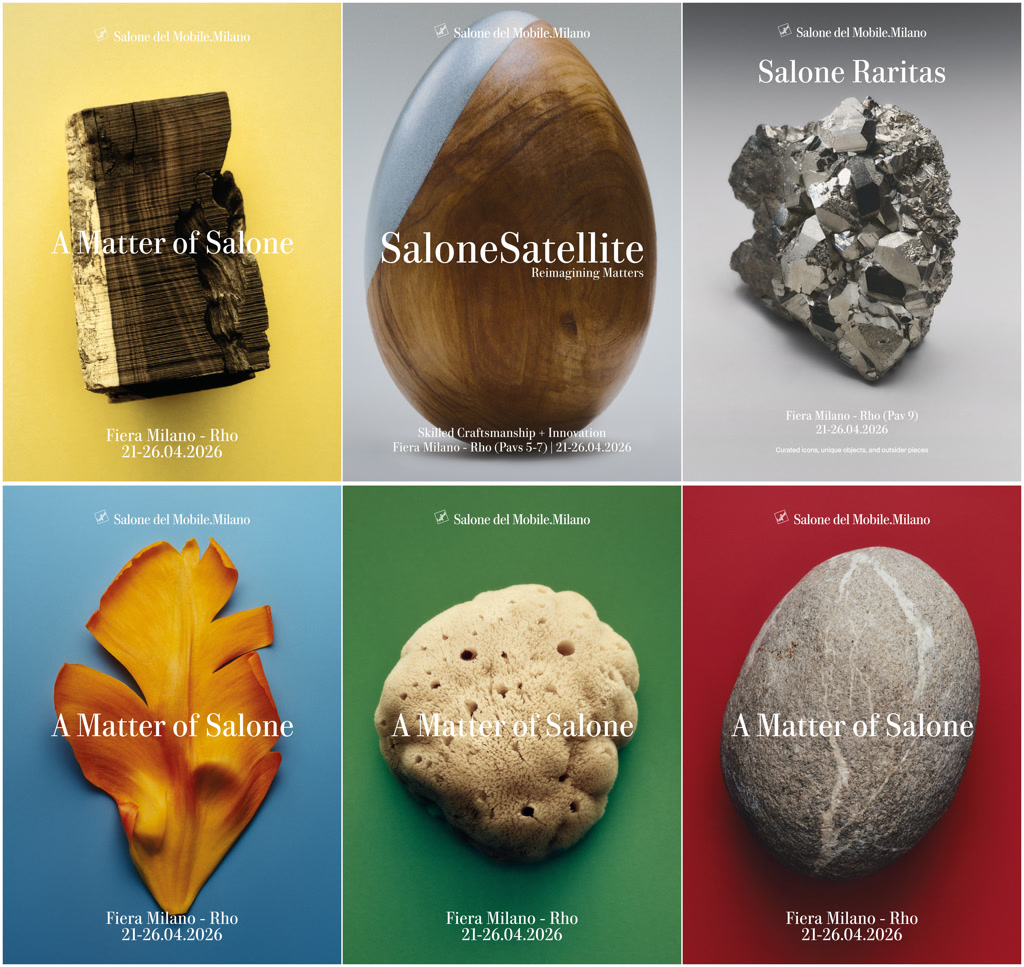
This renewed appreciation for rarity also invites us to reconsider the role of materials themselves. Materials are many, and their utility is profound. It is this polygamy of materials that makes projects interesting, as each etches a new story onto the canvas of design. Yet this epic polygamy of the material world often leads us back to fundamental questions. And when it does, we attempt to find answers by distilling materials to a bare minimum, like Salone’s communication campaign which utilised stone, wood, petals, and sponge – as the key materials to define its theme – “A Matter of Salone”. However, because we are creatures of habit there was also an option to source these answers from – over 1,900 exhibitors each demonstrating that the true character of a material lies not in what it is, but in what it is capable of becoming.
But the most rewarding aspect of Salone is that the questions left unanswered at Rho Fiera rarely remain so for long. They often find their answers in Milan, the city with which Salone is so deeply intertwined. If Rho Fiera sets the discourse in motion, Milan lends it context, allowing ideas to be interpreted through its many design districts and installations. The experience inevitably leads to a larger question: is design truly democratic, or is it quietly shaped by a handful of dominant trends that much of the developing world embraces irrespective of their contextual relevance?

When viewed through the lens of context, perhaps we arrive at a simple conclusion: design is the ability to respond to its surroundings in a manner that fosters harmony, enriches lives and ultimately creates order amidst chaos. The Porta Venezia Design District echoed this very sentiment. Under the theme Design is Act, the district positioned itself as an urban laboratory. Inspired by the thinking of Argentine-Italian design theorist Tomás Maldonado, whose belief that design must actively engage with real-world crises continues to resonate today, the curators challenged conventional notions of design. Rather than treating design as a static exercise in shaping luxury furniture, exhibitors were encouraged to demonstrate how design can foster healthier relationships between people, the spaces they inhabit, and their communities. In a world grappling with material excess, widening economic disparities, and ecological uncertainty, it served as a timely reminder that meaningful design is ultimately measured not by its influence, but by its relevance.
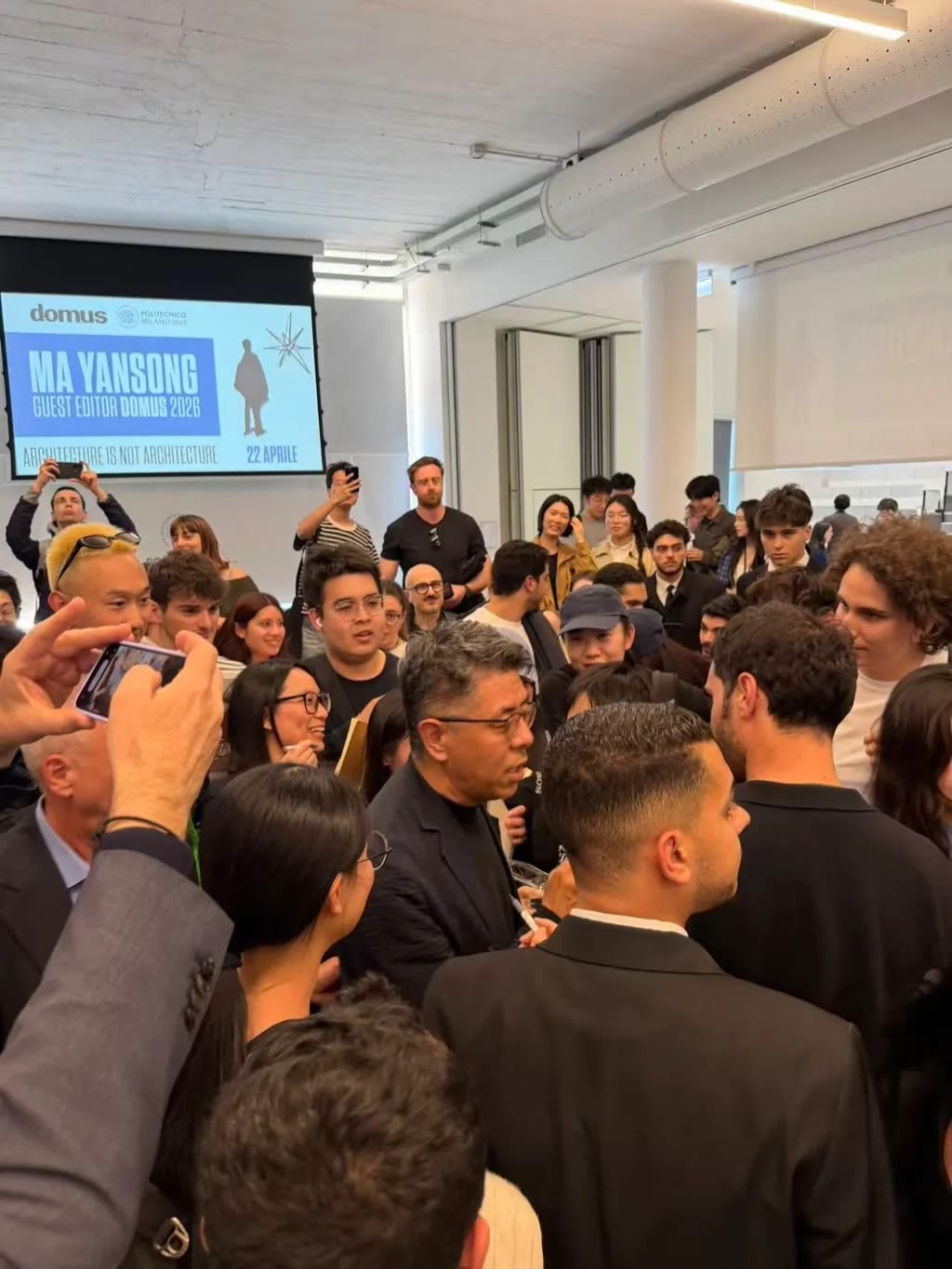
Interestingly, this was not an isolated conversation. Across Milan Design Week, the relationship between design and life surfaced repeatedly. It found another compelling expression during Ma Yansong’s lecture at the Politecnico di Milano, organised in collaboration with Domus. For Ma, buildings are merely the medium; the true purpose of architecture lies in shaping experiences, emotions, and human relationships. Materials and spaces, he argued, derive their significance not in isolation but through the atmospheres they create.
If architecture can shape the way we experience the world, it is no wonder that design extends beyond mere utility to influence the very chemistry of our emotions and, in doing so, our well-being.
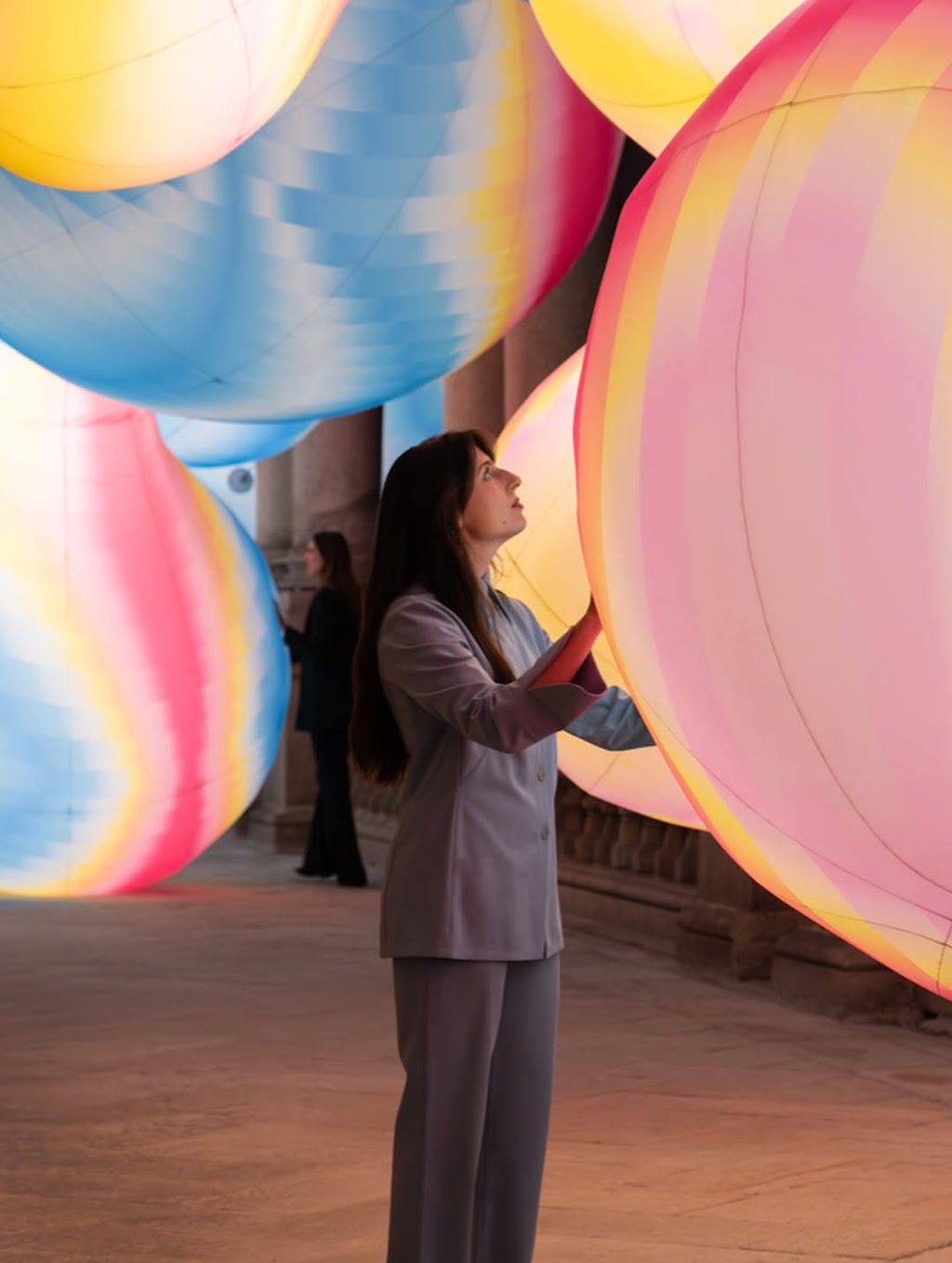
Artist Sara Ricciardi’s Serotonin – The Chemistry of Happiness at the Pinacoteca di Brera in Brera Design District embodied this idea. Moving beyond the language of objects, the installation explored how design can evoke emotional and psychological responses. The installation suggested that the true measure of design lies not merely in its form or function, but in its ability to influence how we feel. In many ways, it echoed one of the recurring themes of Milan Design Week – that meaningful design is ultimately less about the objects we create and more about the emotions, relationships, and experiences they nurture.
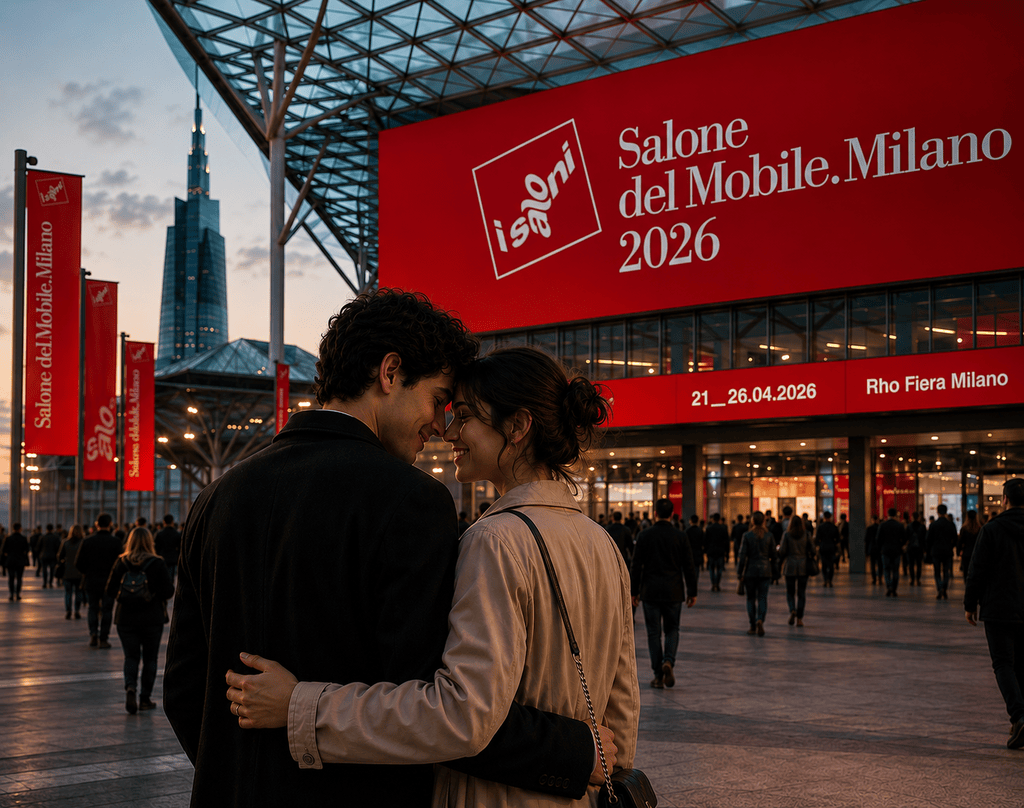
Perhaps that is the enduring lesson of Salone. It reaffirmed what I had sensed at the very beginning: materials are, indeed, akin to emotions. They do have their distinct individualities, but like two companions in a meaningful relationship, materials discover their fullest expression in each other’s presence. Their dialogue gives rise to spaces that comfort, inspire and endure, much like a loving partnership which quietly shapes the life built around it. That, more than anything else, is what makes Salone and Milan the place where the future of design is imagined – not simply through what is made, but through the stories those creations leave behind.
Text : Vikas Bhadra | Photo Courtesy : As Mentioned
Connect Online@www.salonemilano.it/en