


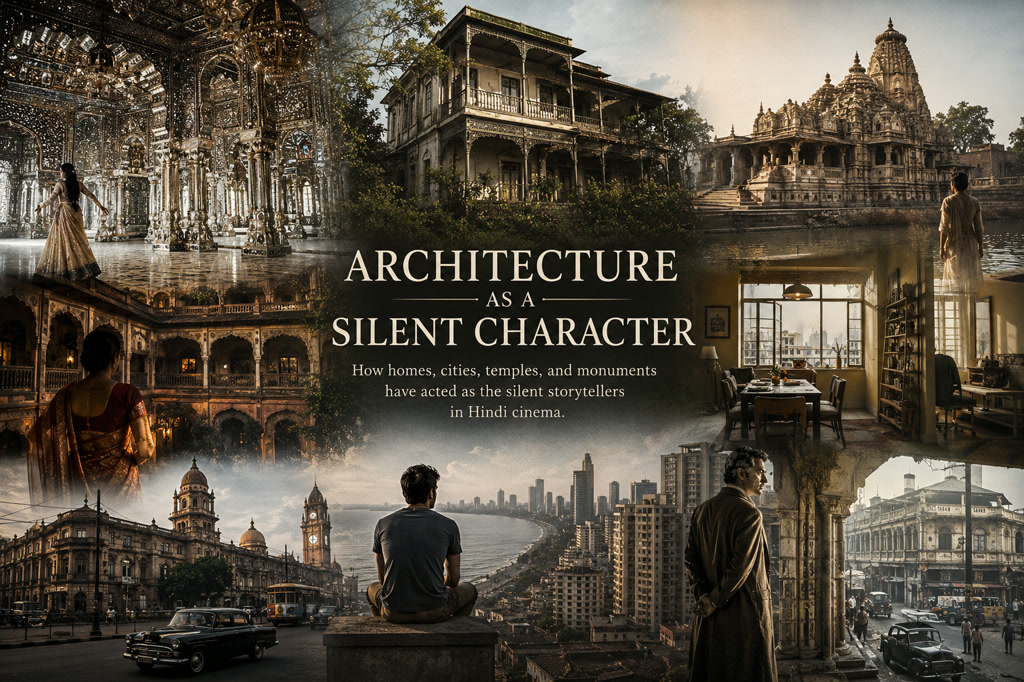
How homes, cities, temples, and monuments have shaped some of Hindi cinema’s most enduring narratives without ever speaking a word.
Long before architecture became content, cinema understood its power.
Hindi films have always been filled with memorable characters, but some of their most enduring protagonists were never credited. They were havelis, colonial bungalows, temple complexes, apartments, office towers, and cities. Across decades, filmmakers have used architecture not merely to locate stories, but to shape them. The built environment has functioned as a silent narrator—revealing class, reinforcing power, preserving memory, and reflecting the social transformations taking place beyond the frame.
Seen together, these spaces form an alternative architectural history of India—one documented not through drawings or masterplans, but through cinema.
When Power Needed Walls
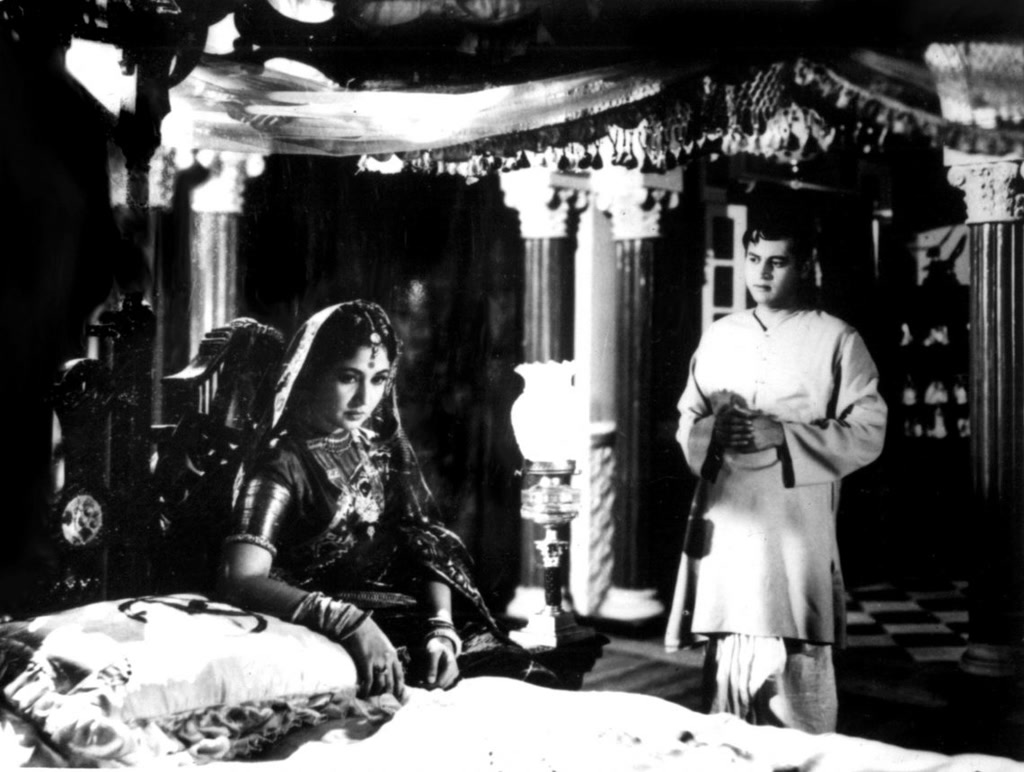
In the golden era of Hindi cinema, few architectural forms carried as much symbolic weight as the haveli. More than a residence, it represented a social order built on hierarchy, tradition, and control. Films such as Sahib Bibi Aur Ghulam (1962), directed by Abrar Alvi, Pakeezah (1972) by Kamal Amrohi, and Devdas (1955) by Bimal Roy transformed these sprawling estates into active participants in the narrative.
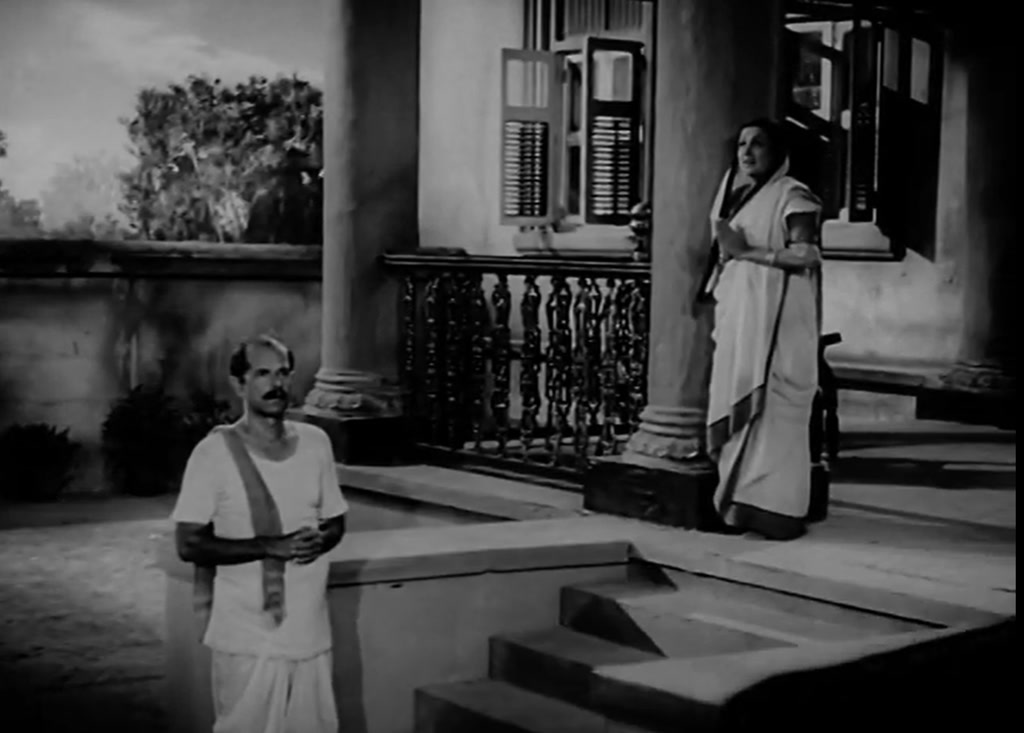
Their courtyards, jharokhas, towering columns, and heavy wooden doors did more than establish setting; they defined the lives unfolding within them. Women appeared confined by architecture as much as by convention, while vast, often empty interiors reinforced feelings of isolation and emotional distance.
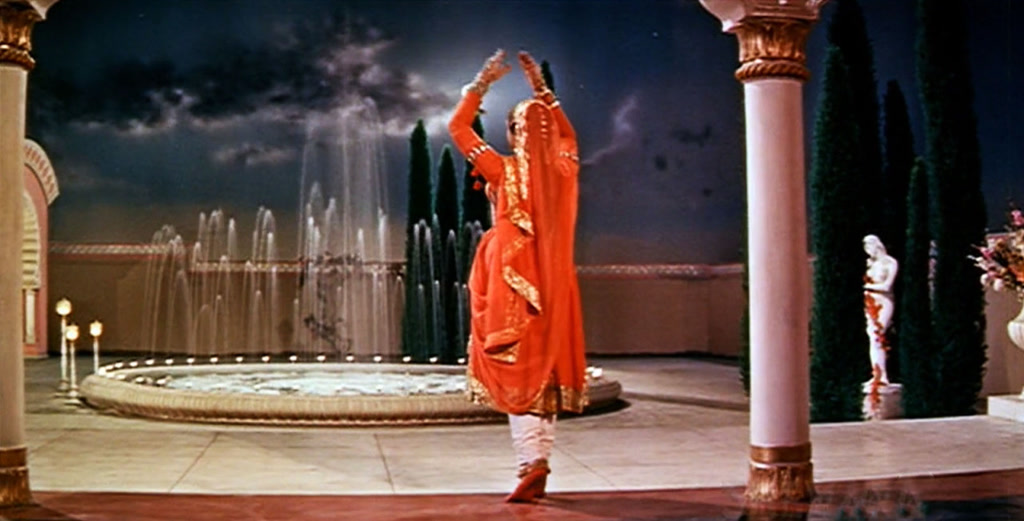
The gradual decay of these buildings mirrored the decline of the worlds they represented. Crumbling walls, fading ornamentation, and neglected courtyards became visual metaphors for the erosion of feudal values and aristocratic authority. In these films, architecture does not simply house the story – it becomes the story.
The House as Memory
If the haveli symbolised inherited power, the colonial bungalow represented something more elusive: memory.
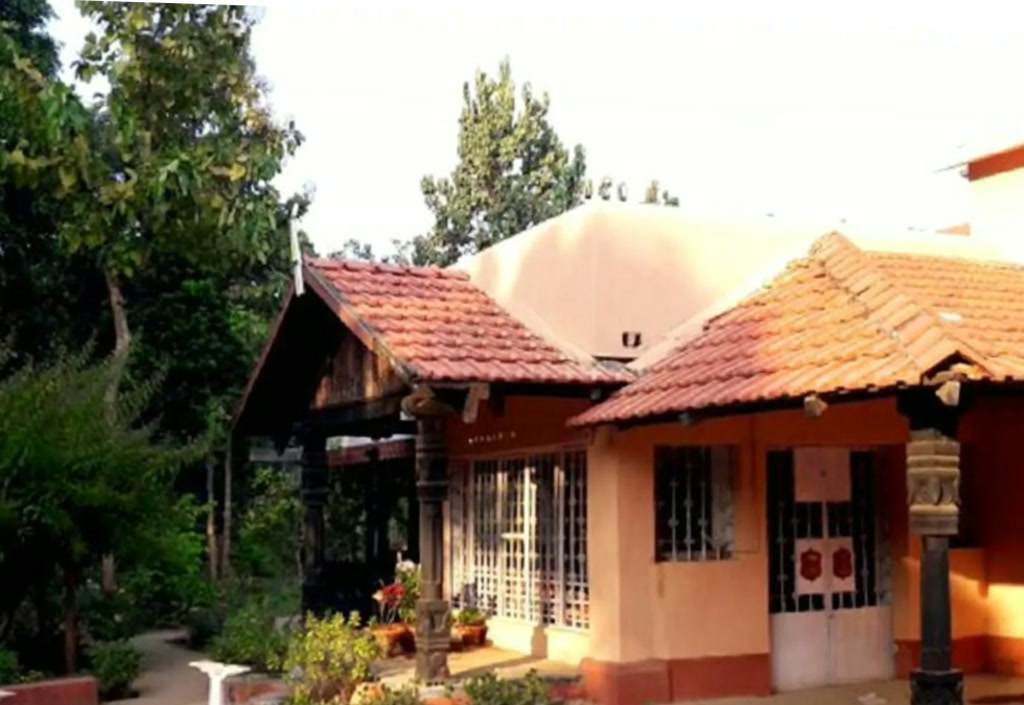
In A Death in the Gunj (2016), directed by Konkona Sen Sharma, the bungalow functions as both refuge and psychological landscape. Deep verandahs, timber interiors, fireplaces, and expansive gardens evoke a way of life that lingers long after its historical moment has passed. The architecture carries traces of another era, creating an atmosphere of nostalgia, emotional distance, and quiet introspection.
Unlike traditional Indian homes organised around collective living, the bungalow’s spatial arrangement encourages separation. Rooms become places of retreat rather than congregation. The result is an architecture that reflects not only a historical legacy, but also the emotional condition of its inhabitants.
Cinema reminds us that buildings often outlive the values that created them. In doing so, they become repositories of memory.
When Architecture Became Spectacle
Hindi cinema has long understood the power of monumental architecture to elevate personal stories into collective myths.
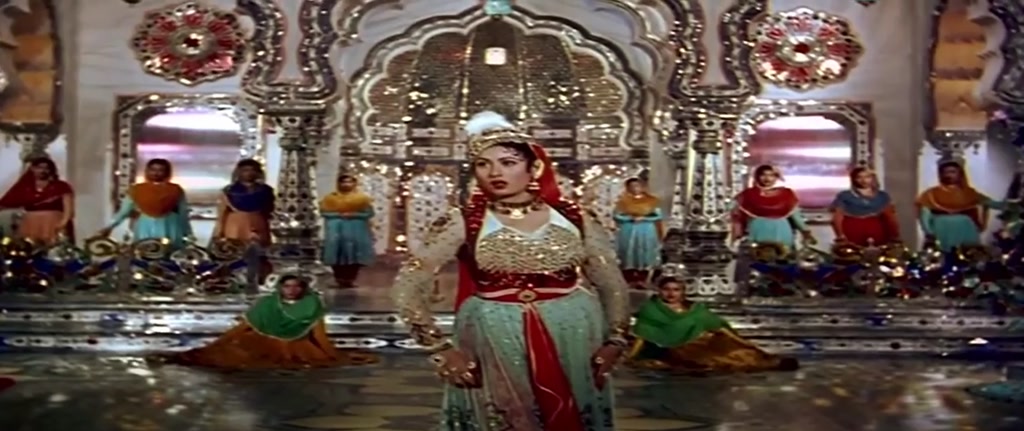
No example remains more iconic than the Sheesh Mahal created for Mughal-e-Azam (1960), directed by K. Asif. Constructed as one of the most ambitious sets in Indian cinematic history, the palace of mirrors transcended spectacle to become an extension of the narrative itself.
Its thousands of reflective surfaces transformed space into theatre. When Anarkali appears within the hall, her image multiplies endlessly, visually challenging the singular authority of Emperor Akbar. The architecture amplifies rebellion, romance, and power simultaneously.
This is where cinema demonstrates one of architecture’s greatest narrative strengths. Buildings can transform individual emotions into experiences that feel timeless, placing personal stories within larger cultural memory.
The Apartment and the Indian Middle Class
While palaces and mansions dominate discussions around cinematic architecture, Hindi cinema has often been at its most insightful within far more modest settings.
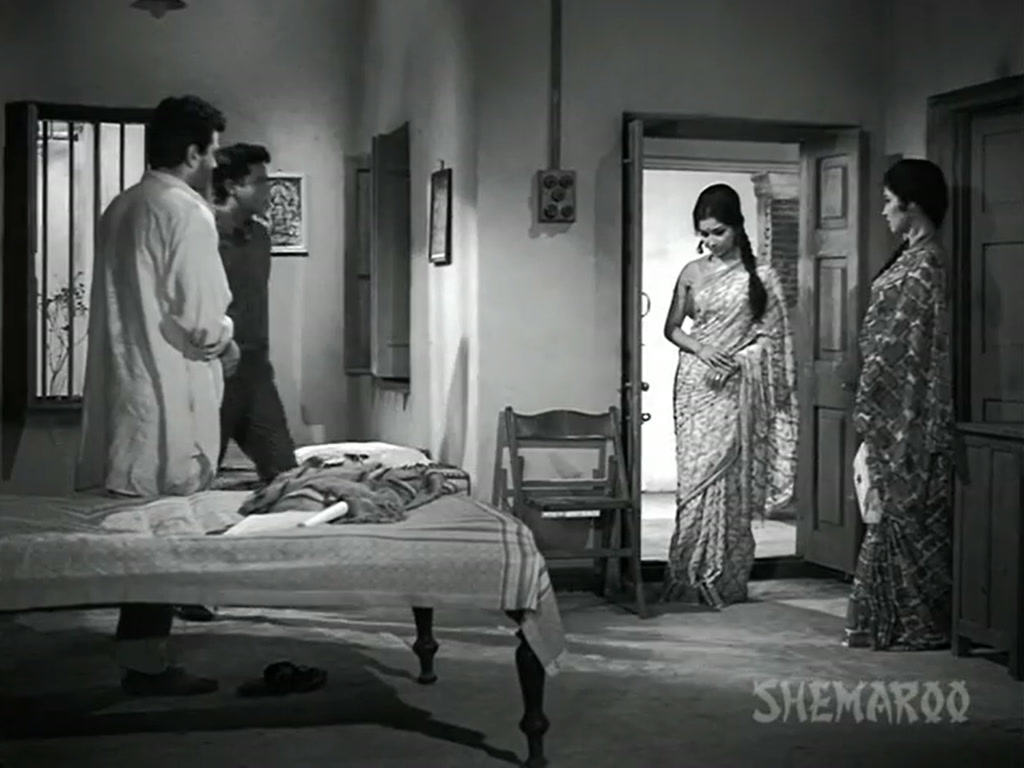
Anupama (1966), directed by Hrishikesh Mukherjee, and Sujata (1959), directed by Bimal Roy, locate their emotional intensity within middle-class homes where family life unfolds within limited spatial boundaries. Unlike the expansive haveli, the apartment concentrates relationships. There is little room for distance, and every interaction carries greater weight because it occurs within close proximity.

This architectural condition continues in Piku (2015), directed by Shoojit Sircar, where an ageing Delhi residence becomes central to the narrative. Shared spaces, narrow circulation routes, and the absence of privacy reinforce themes of caregiving, obligation, and interdependence. The architecture reflects the realities of family life, intensifying emotional dynamics rather than merely accommodating them.
In these films, ordinary homes become extraordinary narrative devices because they reveal how architecture shapes everyday relationships.
The Glass House of Modern India
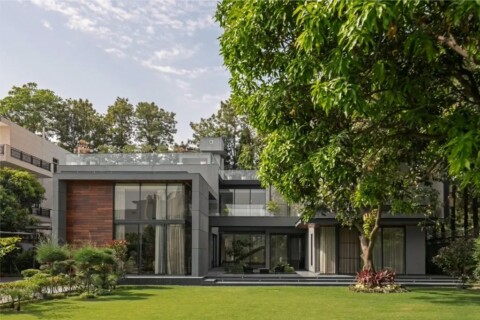
As India entered a period of economic liberalisation and globalisation, the architectural language of Hindi cinema evolved accordingly. The haveli gave way to the luxury residence. Courtyards gave way to expansive glazing. Ornament gave way to minimalism.

In Dil Dhadakne Do (2015), directed by Zoya Akhtar, contemporary architecture becomes a lens through which wealth, aspiration, and emotional distance are examined. Glass walls, clean geometries, and carefully curated interiors project success and sophistication, yet the architecture also reveals disconnection.
Transparency, paradoxically, becomes a barrier. Spaces appear open but remain emotionally closed. The architecture reflects a contemporary condition in which prosperity is visible, but intimacy often remains elusive.
The modern mansion is not presented as a symbol of fulfilment. Instead, it becomes a stage upon which the contradictions of privilege are exposed.
Sacred Spaces and Shared Belief
Few architectural environments carry as much symbolic weight as places of worship.
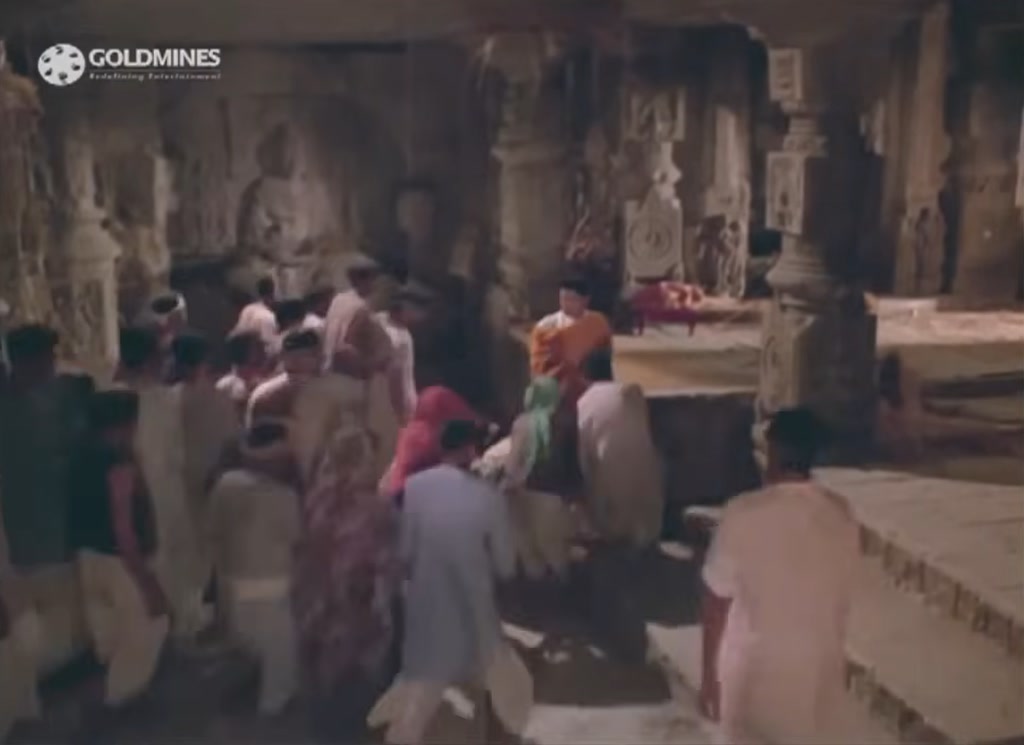
In Guide (1965), directed by Vijay Anand, temples and pilgrimage spaces become settings for transformation, marking the protagonist’s movement from performance toward introspection. The permanence of the architecture provides a counterpoint to the instability of human experience.
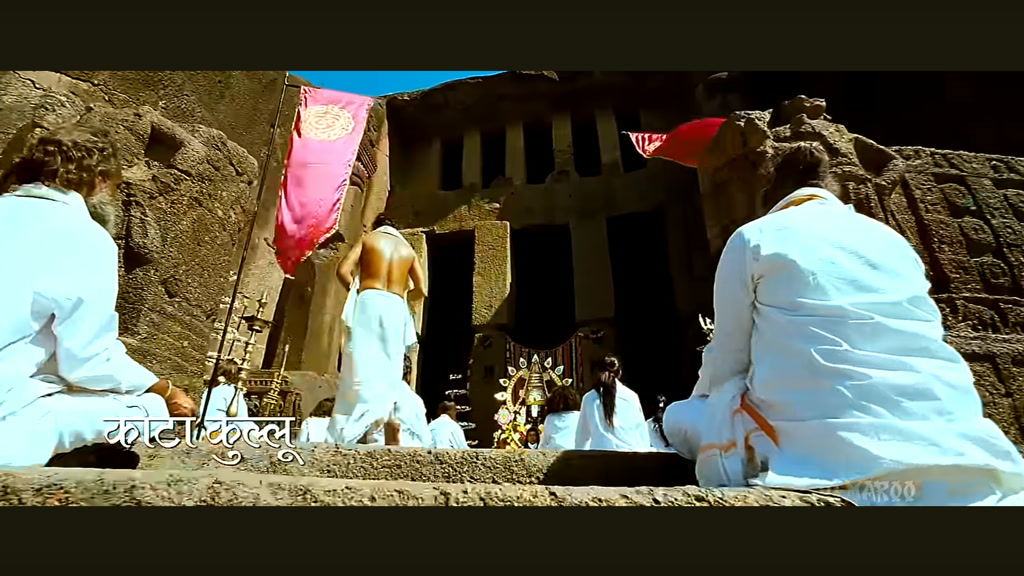
A very different architectural reading emerges in OMG – Oh My God! (2012), directed by Umesh Shukla, where temple architecture becomes the site of ideological confrontation. Rather than serving as passive scenery, these spaces become platforms for questioning faith, institutional religion, and the commercialisation of belief.
In both films, architecture functions as more than built form. It becomes a framework through which larger philosophical and spiritual questions are explored.
The City as Character
Contemporary Hindi cinema increasingly treats the city itself as architecture.
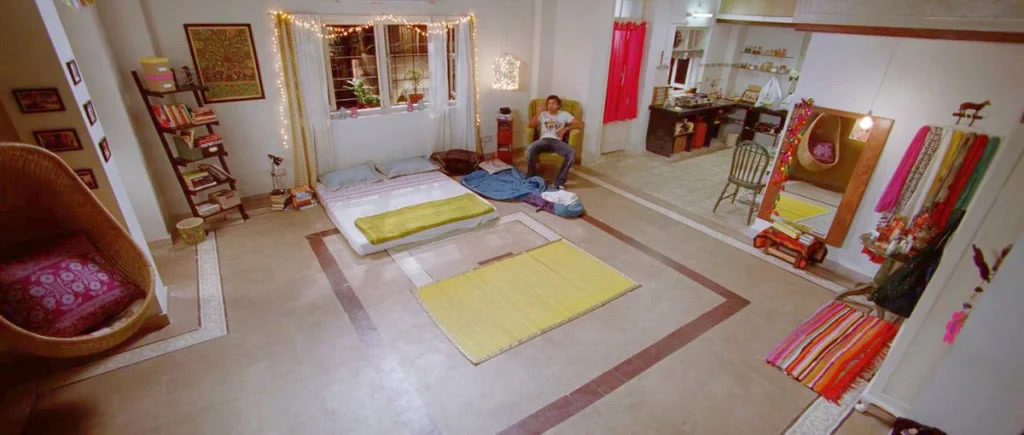
In Wake Up Sid (2009), directed by Ayan Mukerji, Mumbai emerges as a landscape of aspiration and self-discovery. Apartments, offices, cafés, promenades, and public spaces collectively shape the protagonist’s journey toward adulthood. The city becomes a framework for personal growth.
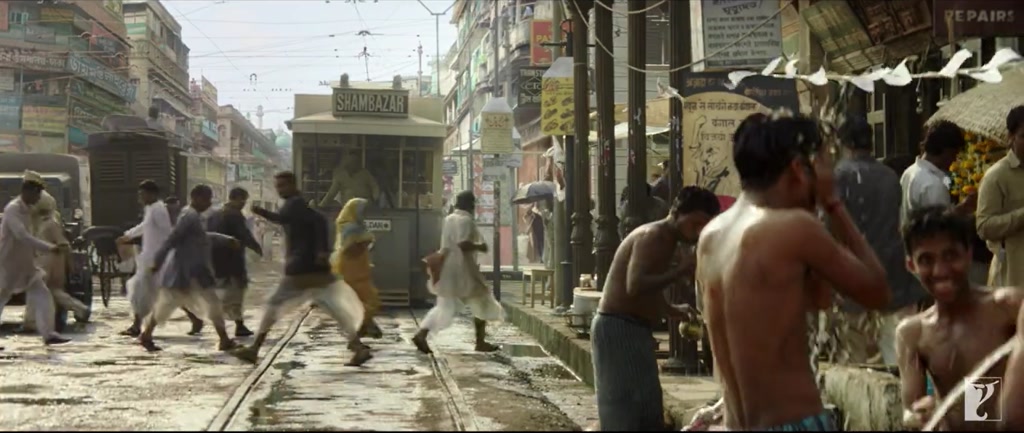
A different urban condition appears in Detective Byomkesh Bakshy! (2015), directed by Dibakar Banerjee, where 1940s Kolkata is reconstructed through colonial buildings, warehouses, commercial districts, and narrow streets. Here, architecture functions as historical evidence, preserving the memory of a city caught between colonial influence and emerging modernity.
In both films, architecture extends beyond individual buildings. Streets, neighbourhoods, and public spaces become active participants in shaping identity, ambition, and social interaction.
Architecture of the Mind
Cinema’s relationship with architecture is not always tied to physical reality.
The medium has frequently used architectural space to visualise psychological conditions, and few filmmakers understood this better than Guru Dutt.

In Pyaasa (1957), directed by Guru Dutt, narrow staircases, shadow-filled interiors, and compressed spaces create an architectural expression of emotional struggle. The built environment mirrors the protagonist’s inner world, transforming physical settings into emotional landscapes. Through light, proportion, circulation, and enclosure, architecture becomes a language capable of expressing loneliness, aspiration, uncertainty, and desire.
The audience does not simply observe these spaces. It experiences them.
More Than a Backdrop
Architecture in Hindi cinema has never been merely decorative. Whether it is the fading haveli of a declining aristocracy, the memory-laden colonial bungalow, the mythic grandeur of the Sheesh Mahal, the intimacy of a middle-class apartment, the transparency of a modern mansion, the permanence of sacred architecture, or the complexity of the contemporary city, buildings consistently perform narrative work.
They reveal social structures. They preserve cultural memory. They frame relationships. They shape behaviour. Most importantly, they help explain the world the characters inhabit. Perhaps that is why architecture remains one of cinema’s most powerful storytelling tools. The walls do not simply contain the narrative.
They give it meaning.