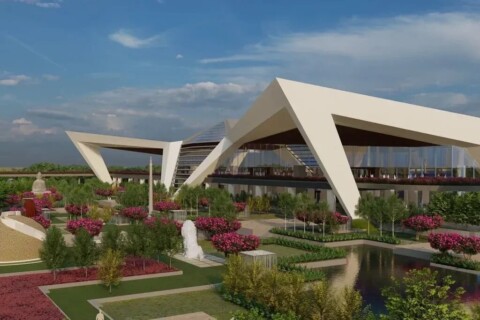



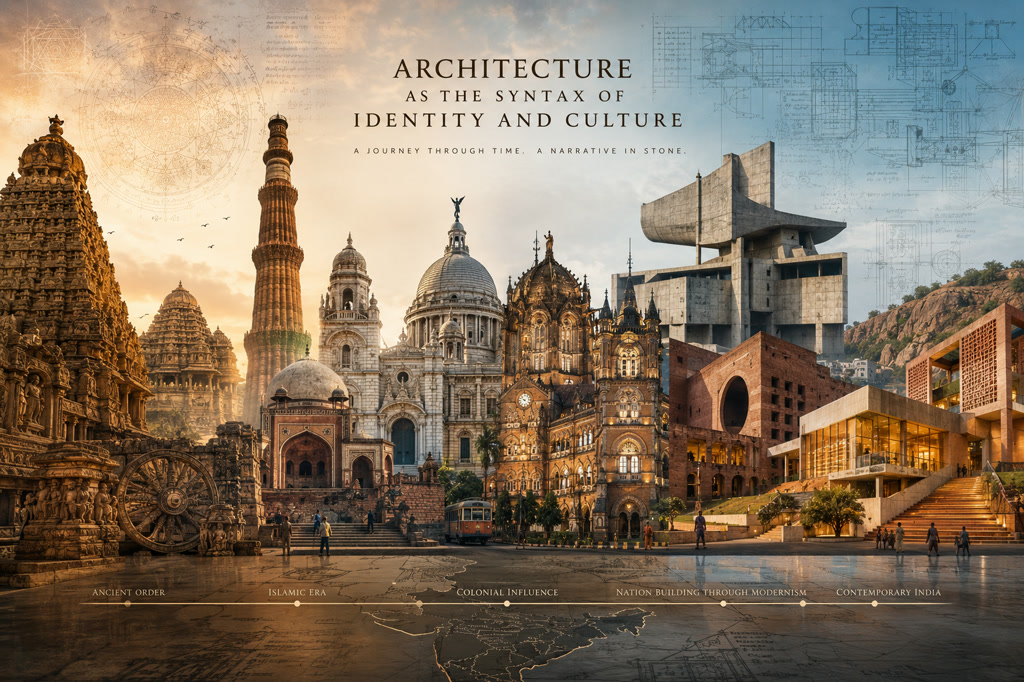
From aligning with the cosmic order to asserting dominance and creating new identities, architecture has played a defining role in shaping cultures and civilizations.
When we look at the syntax of contemporary architecture in India today, it aligns comfortably with what we see across other regions of the world. The language of contemporary architecture, sculpted largely through concrete, steel and glass, has evoked a sense of validation that we are no less ambitious or capable than our global counterparts. Glittering high-rises that measure the strength of ambition in square feet would perhaps be the simplest way to describe this phenomenon, and we have come a long way to arrive at this new-age reality.
The Ancient Order
Many would argue that India’s association with opulence stretches back centuries. Kings commissioned opulent palaces, many of which survive to this day, but one unique element about architecture during this era was its relentless desire to align itself with the cosmic order. The temples, especially, were truly the manifestation of the phrase “God is in the details,” and this was often supported by scientific understanding. Unlike many modern-day debates where science and religion are perceived to be at odds with one another, this era presented a different reality.
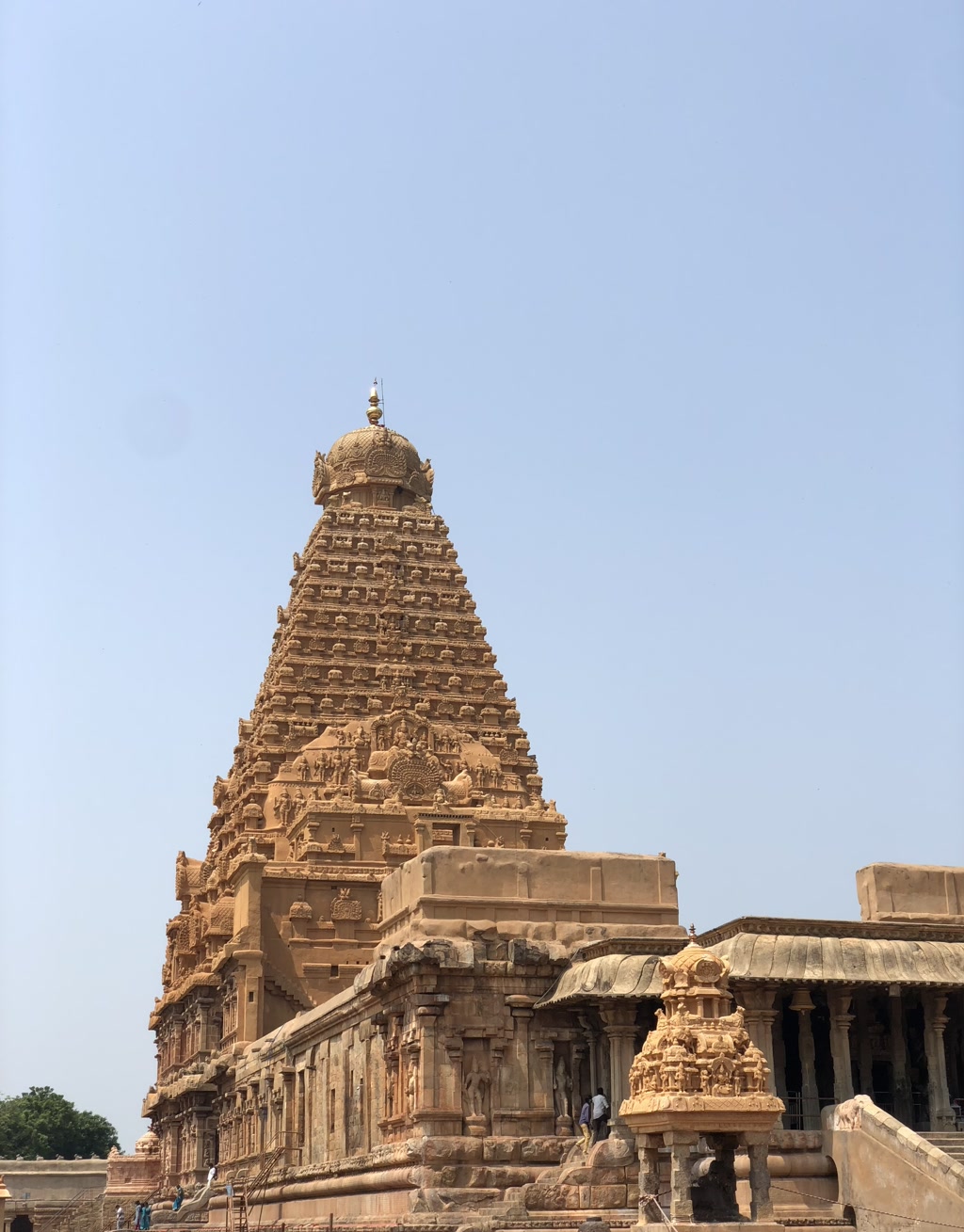
Structures such as the Brihadeeswara Temple in Thanjavur, the Sun Temple at Konark, the Kailasa Temple at Ellora and the Khajuraho Group of Monuments reflected a deep relationship between architecture, astronomy, mathematics and spirituality. Temples were not positioned arbitrarily. Their alignment with solar movement, cardinal directions and cosmic geometry reinforced the idea that kings ruled not merely through military power but through divine sanction and cosmic legitimacy.
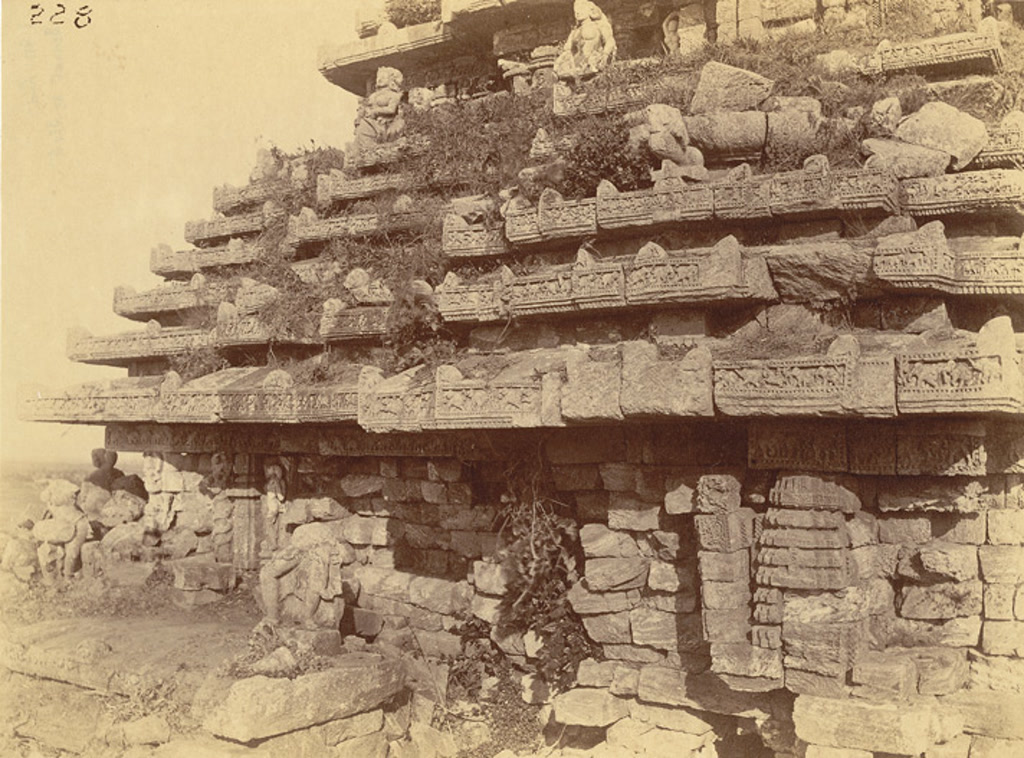
Temple towns emerged as centres of economy, education, culture and social hierarchy, where architecture became a visible extension of dharma itself. The towering shikharas and intricately carved mandapas symbolised permanence, continuity and the ambition of earthly rulers to connect the mortal world with the divine realm. The subjects of these kingdoms experienced architecture not merely as shelter or ornamentation but as a sacred instrument that reinforced collective cultural identity and civilizational confidence.
The Islamic Era
An open door may tempt a saint. So, when it comes to expansionist regimes, the deduction becomes easier. If we read the pages of history carefully, we realise how the abundance and opportunities offered by ancient India contributed to the establishment of the Delhi Sultanate. For those who choose to disagree, let us assume that imperial regimes simply seek newer ways to keep themselves amused and validated in the eyes of their subjects, and India served that purpose rather well. This period impacted our lingua franca, giving rise to what eventually evolved into Hindustani, a linguistic bridge that allowed estranged cousins of different cultures to communicate with one another. Its influence would later permeate politics, literature and even the film songs that continue to define popular culture.
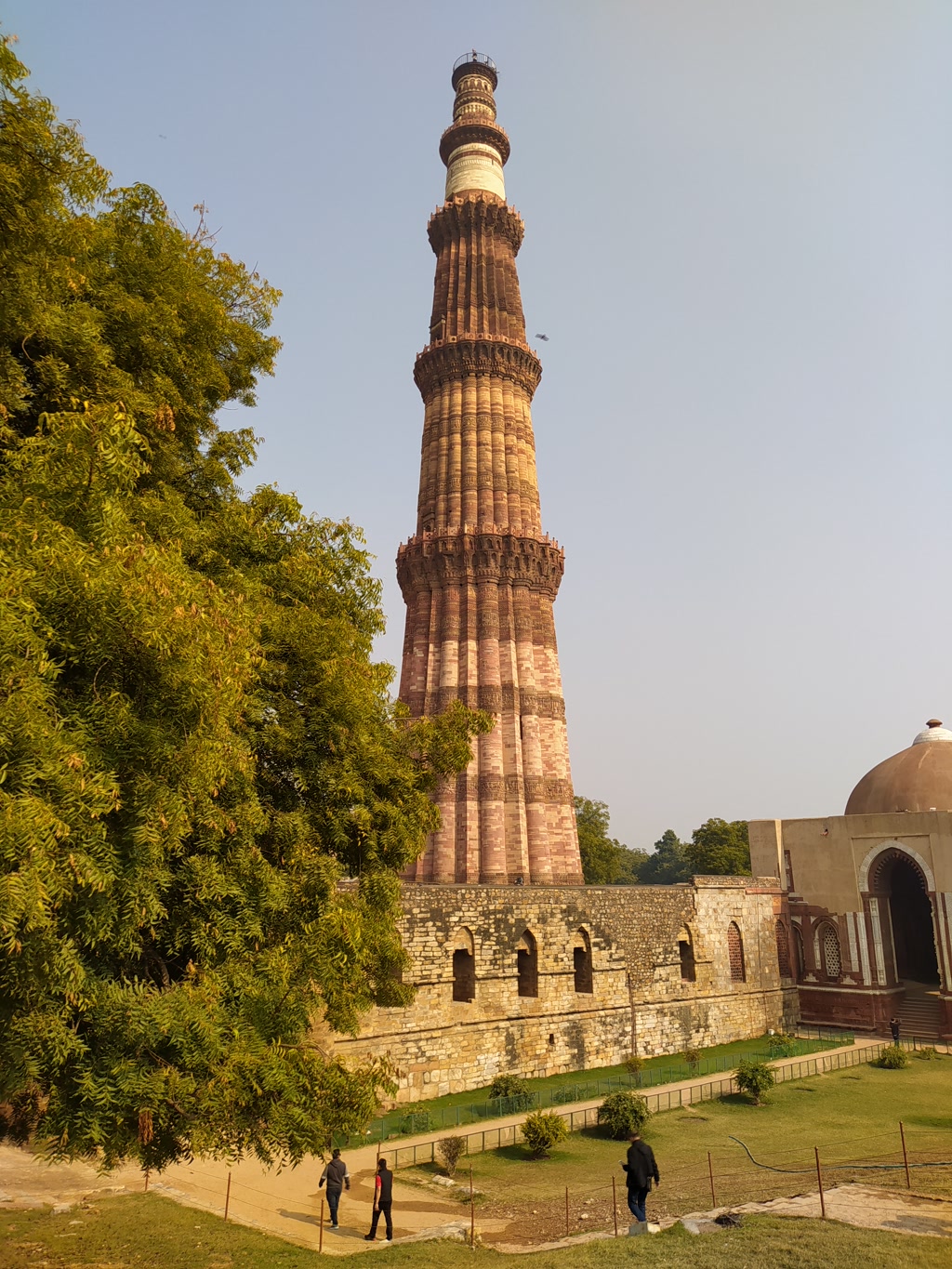
Coming back to architecture, the Delhi Sultanate attempted to imprint the language of Persian and Islamic architecture onto the Indian canvas. However, there were existing structures, structures damaged by war, and craftsmen who were Indian. This convergence of circumstances gave rise to Indo-Islamic architecture, a subject on which countless essays and books have been written. The early Mamluk Dynasty witnessed structures such as the Qutub Minar Complex and the Quwwat-ul-Islam Mosque, where temple fragments, corbelled construction techniques and intricately carved pillars from earlier Hindu and Jain structures were reused. The Khalji period introduced greater structural confidence, with the Alai Darwaza displaying true arches and domes heavily influenced by Persian architectural techniques. The Tughlaq era brought fortified and austere structures such as Tughlaqabad Fort and Feroz Shah Kotla, reflecting militaristic anxieties and practical governance. Later, the Lodi period introduced garden tomb traditions visible in the Lodi Gardens complexes, which would eventually influence Mughal funerary architecture.
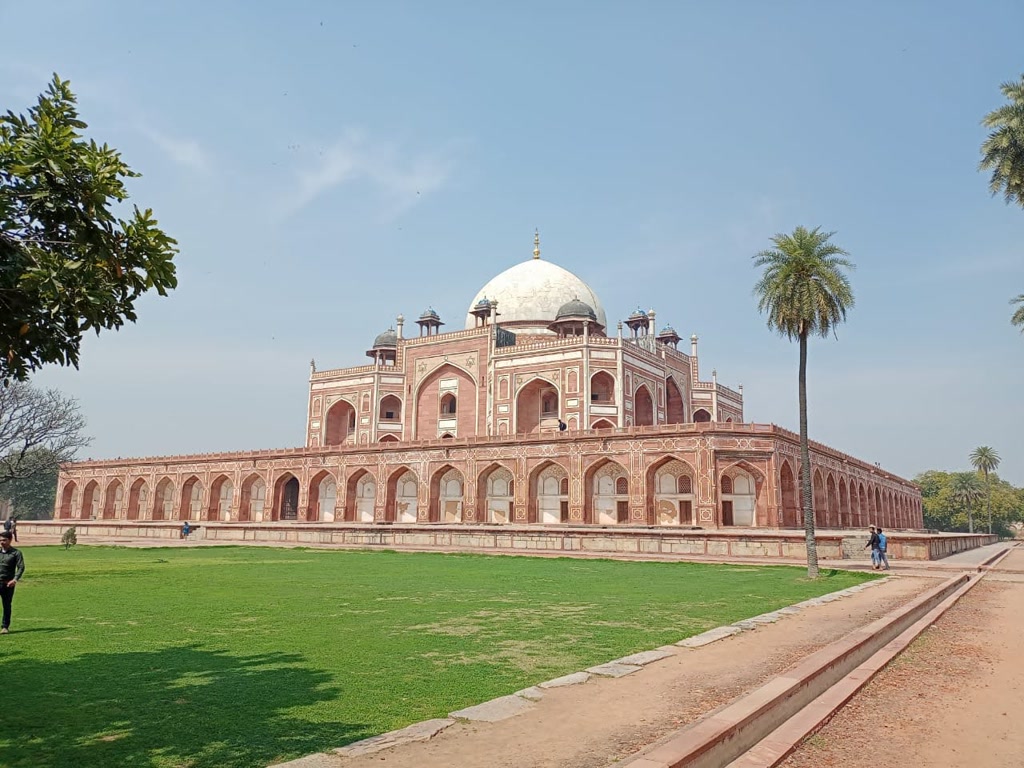
Indo-Islamic architecture borrowed heavily from ancient Indian craftsmanship, particularly stone carving traditions, ornamental detailing, bracket systems and local methods of construction. At the same time, it introduced extensive use of arches, domes, vaulting systems, geometric ornamentation, calligraphy and large-scale enclosed courtyards. Climatically, this synthesis proved effective for India as thick stone walls moderated heat while jaalis, courtyards, water channels and high ceilings promoted ventilation and thermal comfort. The architecture also altered Indian culture profoundly by influencing not only language but also attire, cuisine, music and urban planning. Cities evolved around mosques, serais and bazaars, while Persian aesthetics merged with indigenous traditions to create a composite cultural vocabulary that continues to define large parts of North Indian identity even today.
The British and European Indoctrination
The British understood very well the impact architecture could have on the minds of the Indian polity and the cultural sympathies it could create. Monumentality had already become deeply associated with power during the Delhi Sultanate. Structures such as the Qutub Minar, the ambitious Alai Minar project, Humayun’s Tomb and later the Jama Masjid communicated imperial authority through scale, geometry and visual dominance. Monumentality became synonymous with legitimacy, and rulers understood very well that architecture could psychologically condition the masses into accepting authority as inevitable and eternal.
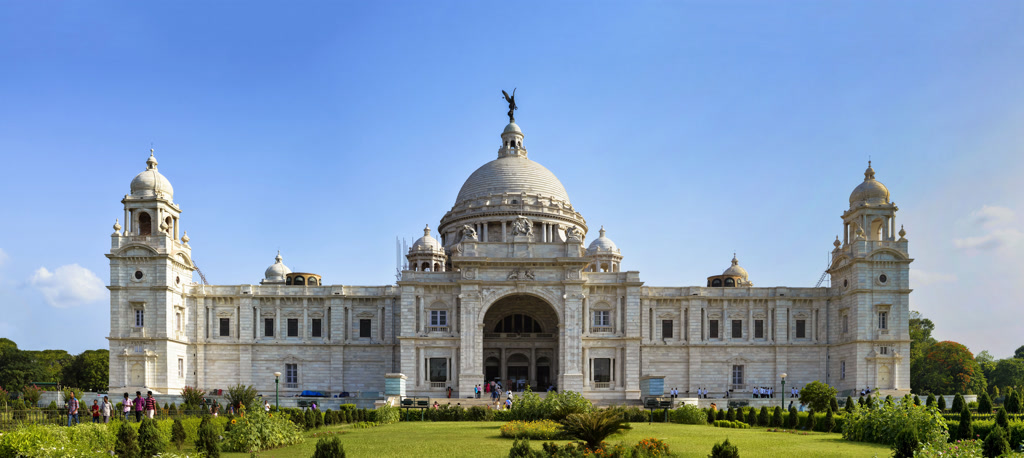
Like the Delhi Sultanate, the British too were imperialists, and given the nature of how they assumed power, it became mandatory for them to command pre-eminence against the backdrop of what Indians had already been exposed to architecturally and culturally. The goal was to legitimise British imperial rule and position themselves as the natural successors to the Mughal regime. This was achieved by blending the structural principles of Victorian, Gothic and Neo-Classical architecture with native Indian and Indo-Islamic design elements. The result was what is often cited as a secular version of architecture, popularly referred to as Indo-Saracenic architecture.
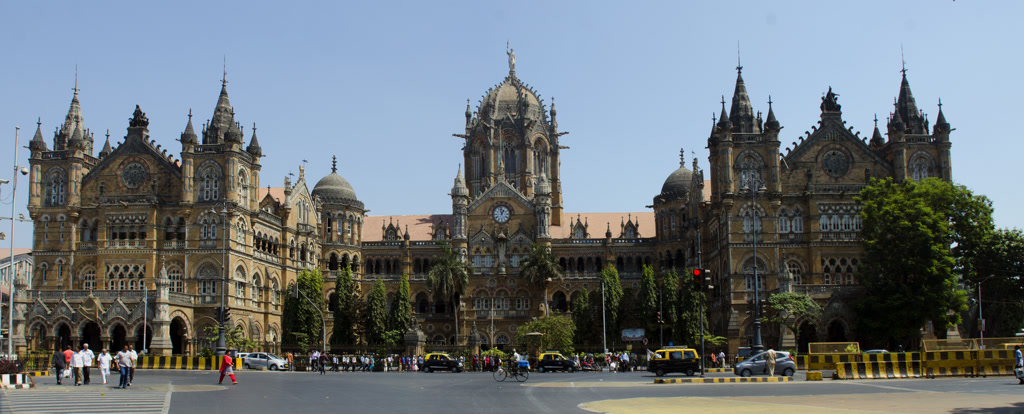
Examples include the Chhatrapati Shivaji Maharaj Terminus in Mumbai, the Madras High Court, Mysore Palace and the Victoria Memorial in Kolkata. This architectural style left a profound impact on Indian culture by institutionalising the visual language of governance, railways, museums, courts and universities. Even contemporary Indian public buildings continue to draw inspiration from its synthesis of domes, arches, chhatris and colonial planning principles. Climatically, Indo-Saracenic architecture adapted reasonably well to India through verandahs, shaded corridors, courtyards, high ceilings and ventilation systems that softened the harsh tropical climate while retaining European structural sensibilities.
Like the British, other European colonisers also left their imprint on India’s built environment. Portuguese architecture in Goa, visible through structures such as the Basilica of Bom Jesus and Se Cathedral, introduced Baroque aesthetics and large church complexes suited to coastal tropical conditions through thick walls and ventilated interiors. French colonial architecture in Puducherry evolved with shaded boulevards, arcaded streets and Mediterranean influences adapted to humid conditions. The Danish settlement at Tranquebar and Dutch structures in Kochi introduced mercantile urbanism and coastal fortifications.
These European interventions reshaped local culture through Christianity, educational institutions, civic planning and maritime trade while contributing to hybrid urban identities unique to their respective regions.
Nation Building Through Modernism
Independence did not merely alter India’s political destiny; it fundamentally transformed its architectural ambitions. For the first time in centuries, India found itself in a position to shape its architectural future without external political influence. The newly formed republic faced a unique challenge. It had inherited an architectural landscape shaped by kingdoms, sultanates and colonial powers, yet it needed a visual language that could represent a modern democratic nation. Under Jawaharlal Nehru, architecture became an instrument of nation-building and a visible expression of India’s faith in science, industry and progress.
Nehru famously described large infrastructure projects as the “temples of modern India.” This philosophy extended naturally into architecture and urban planning. The objective was no longer to glorify kings or imperial regimes but to build institutions capable of serving an independent nation.
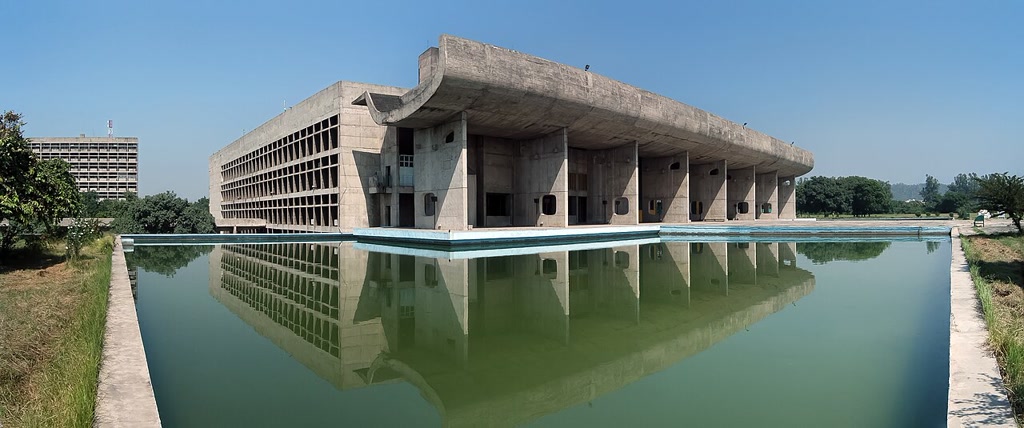
The commissioning of Chandigarh and the involvement of Le Corbusier represented one of the most visible manifestations of this ambition. The High Court, Secretariat and Legislative Assembly introduced a bold modernist vocabulary that consciously distanced itself from both colonial and traditional architectural languages. Concrete became the material of a new India—honest, functional and forward-looking. This period also witnessed the emergence of Brutalism, whose emphasis on exposed concrete, structural clarity and monumental forms resonated strongly with the aspirations of a developing nation. Architects such as Achyut Kanvinde adopted modernist principles to create institutions that reflected rationality, efficiency and social purpose. His work on educational and research campuses helped define the architectural language of post-Independence India.
The influence of Soviet planning ideals was also visible in the development of public-sector townships, industrial settlements and government housing colonies. The architecture of the era prioritised collective welfare over individual expression. Steel plants, research institutions, universities and cultural centres emerged as physical symbols of a nation investing in scientific and industrial advancement.
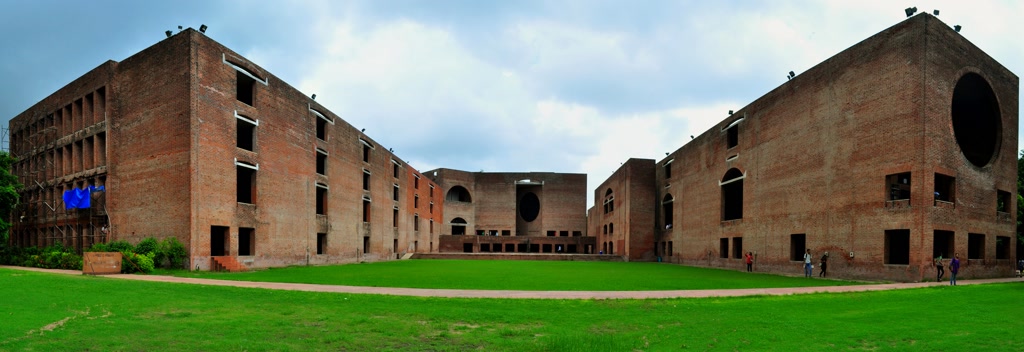
The period also produced several landmark institutions that continue to shape India’s architectural discourse. Louis Kahn’s Indian Institute of Management Ahmedabad introduced a powerful interplay of geometry, light and monumentality. Habib Rahman’s Gandhi Ghat Memorial and Rabindra Bhavan reflected the growing confidence of Indian architects in interpreting modernism through local contexts. Balkrishna Doshi, who worked with both Le Corbusier and Louis Kahn, would eventually evolve a uniquely Indian response to modern architecture, one that balanced modernist principles with climate, culture and community.
Across the country, institutions such as IIT Kanpur, IIT Delhi, IIM Ahmedabad, the National Dairy Development Board campus in Anand and numerous public-sector developments reflected a belief that architecture could actively participate in nation-building. The architecture of this era may not have possessed the ornamentation of India’s earlier traditions, but it carried something equally powerful: optimism.
More than a style, modernism became the architectural expression of a young republic determined to define itself on its own terms. The legacy of this period continues to influence contemporary Indian architecture, which increasingly seeks to reconcile the technological confidence of modernism with the cultural sensitivity of India’s architectural heritage.
Contemporary Indian Architecture
Having assumed responsibility for our own destiny, contemporary Indian architecture increasingly finds relevant solutions within its vast repository of traditional knowledge while responding to modern-day realities. The resulting built forms demonstrate that modernism does not necessarily abandon heritage; rather, it often integrates it with contemporary demands for sustainability, climate resilience and environmental responsibility. Examples such as the Lotus Temple in Delhi, Balkrishna Doshi’s Aranya Housing Project and Charles Correa’s Jawahar Kala Kendra demonstrated early attempts to reconcile modernity with context.
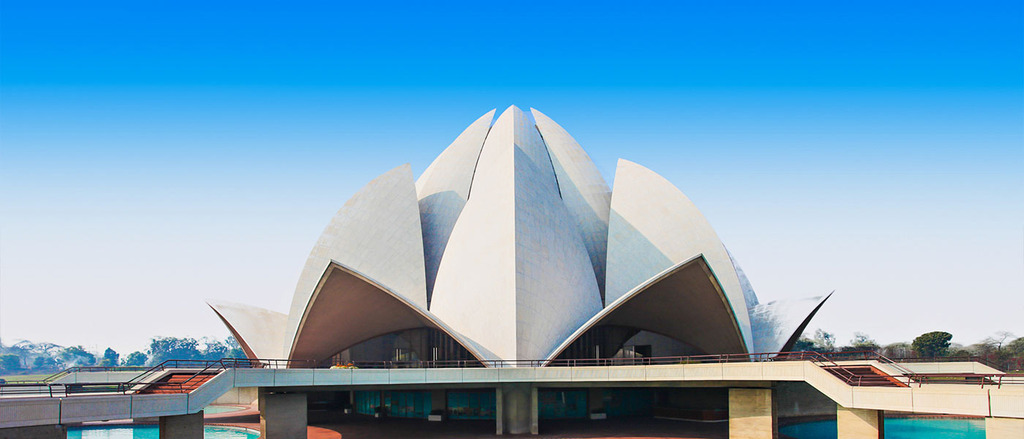
Today, architects such as Sanjay Puri, Sameep Padora, Rahul Mehrotra, Vinu Daniel, Brinda Somaya and firms such as Studio Mumbai are expanding that conversation further. Projects such as the Rajkumari Ratnavati Girls School in Rajasthan, the Banasura Hill Resort in Kerala, the Pearl Academy campus in Jaipur and several contemporary institutional campuses across India demonstrate how architecture can remain rooted in place while engaging with global design discourse.
Increasingly, the emphasis is shifting from iconicity towards responsibility. Buildings are expected not merely to impress but also to consume less energy, engage with local communities and respond meaningfully to climate realities. Traditional courtyards, passive cooling systems, local materials and craft traditions are finding renewed relevance in an era defined by environmental concerns.
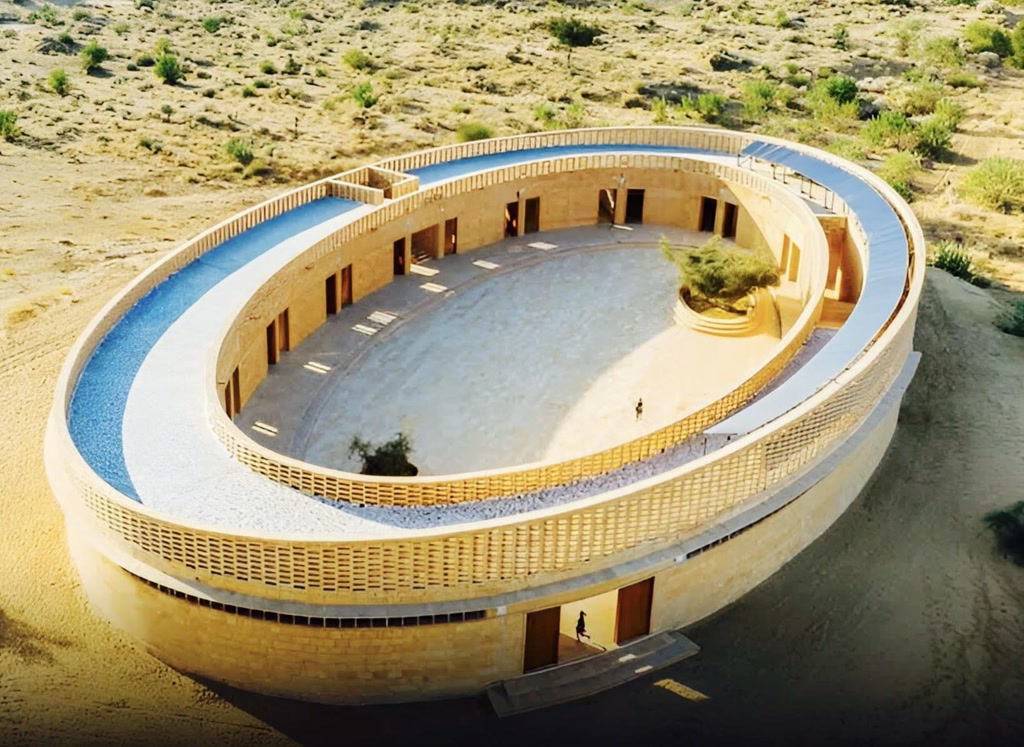
Present-day India increasingly seeks buildings that are technologically advanced yet climatically responsive, culturally rooted yet globally aspirational. The blending of vernacular wisdom with contemporary materials and engineering reflects a civilisation attempting to remain modern without severing itself from memory. In an increasingly globalised India, architecture therefore becomes not merely a built form but a statement of confidence where identity, sustainability and aspiration coexist within the same skyline.
Architecture as India’s Living Memory
Every era leaves behind its architectural signature.
Ancient India sought alignment with the cosmos. The Delhi Sultanate and subsequent Islamic dynasties introduced new spatial and artistic vocabularies that reshaped the cultural landscape. Colonial powers employed architecture to legitimise authority while simultaneously creating new civic institutions. Independent India embraced modernism as a symbol of progress, while contemporary architects continue to negotiate between heritage and global aspirations.
What remains constant across these transitions is architecture’s ability to shape identity.
Buildings do far more than accommodate human activity. They communicate values, reinforce belief systems, project power and preserve collective memory. Long after rulers, governments and political ideologies fade into history, architecture continues to narrate the story of the societies that created it.
From temple towns aligned with celestial movements to glass-clad skylines reflecting contemporary ambition, India’s architectural journey is ultimately the story of a civilisation continuously redefining itself while remaining connected to its past. Architecture, therefore, is not merely a witness to culture—it is one of its most enduring authors.